
Introduction
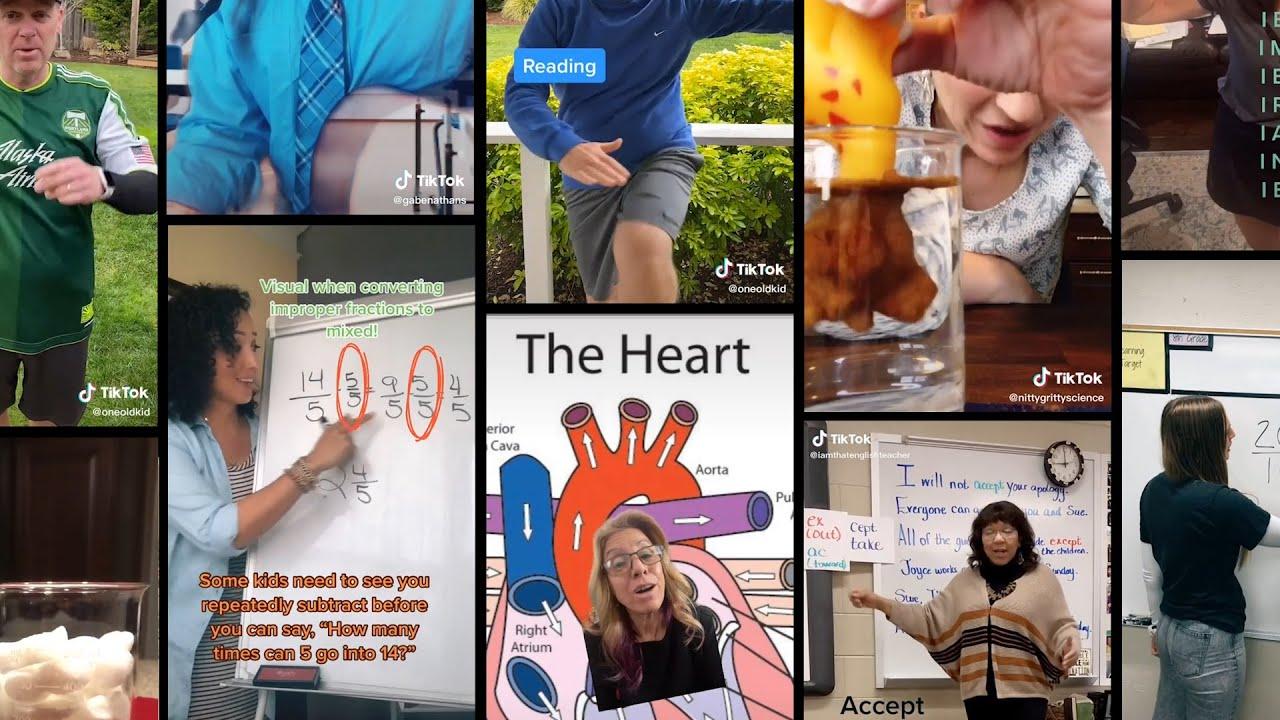
In recent years, social media platforms have transformed the landscape of communication, knowledge sharing, and community engagement. Among these platforms, TikTok has emerged as a significant player, particularly in the realm of education. With its unique format that encourages creative expression and brevity, TikTok has cultivated diverse communities where users engage with educational content ranging from science and mathematics to history and language learning. This article aims to explore the dynamic ecosystem of educational TikTok communities through a comprehensive research analysis, examining how these virtual spaces foster collaboration, disseminate knowledge, and influence learning practices among users. By investigating the characteristics, trends, and interactions within these communities, we seek to understand the implications of TikTok as an educational tool and its potential to enhance pedagogical approaches in the digital age. As educators, researchers, and learners increasingly turn to social media for educational resources, it is essential to critically evaluate the role TikTok plays in shaping modern educational experiences and to identify best practices that can be harnessed to bolster effective learning outcomes.
Table of Contents
- Understanding the Structure and Dynamics of Educational TikTok Communities
- Analyzing Content Trends and User Engagement within Educational Niches
- Assessing the Impact of Educational TikTok on Learning Outcomes and Pedagogical Approaches
- Recommendations for Educators and Researchers in Leveraging TikTok for Educational Purposes
- In Conclusion
Understanding the Structure and Dynamics of Educational TikTok Communities
Educational TikTok communities are characterized by their unique structures, which foster collaboration and knowledge sharing among users. These communities typically emerge around specific subjects, themes, or teaching methodologies, creating a microcosm of educational discourse within the broader TikTok platform. Key factors that contribute to the dynamics of these communities include:
- Content Creation: Users engage in creating short, informative videos that present complex information in an accessible format.
- Peer Interaction: Comments and duets enable discussions that enhance understanding and foster a sense of belonging.
- Hashtag Utilization: Strategic use of educational hashtags allows content to be categorized and discoverable, helping learners connect with resources easily.
The dynamics of these communities also reflect the evolving nature of digital communication. Users often adapt their teaching styles based on the feedback received through comments and shares, creating a responsive learning environment. Community members may act both as educators and learners, actively participating in a cycle of knowledge exchange. The following table highlights some notable aspects of educational TikTok communities:
| Aspect | Description |
|---|---|
| Content Variety | Spanning subjects from science to arts and math. |
| Engagement Levels | High interaction rates with likes, comments, and shares. |
| Educator Profiles | Includes teachers, students, and subject matter experts. |
Analyzing Content Trends and User Engagement within Educational Niches
In the fast-evolving landscape of educational TikTok communities, the trends in content creation and user engagement shed light on the unique dynamics of this platform. Recent research indicates that videos emphasizing short, actionable tips and aesthetic visuals are gaining traction among learners. Popular themes encompass a diverse range of subjects, including study hacks, language learning, and science experiments. Creators who leverage catchy music, relatable humor, and interactive elements, such as quizzes or challenges, tend to foster higher engagement rates. Furthermore, a segment of users engages with content that incorporates visually appealing infographics or animations, creating an immersive learning experience.
Analysis of user interactions reveals several compelling patterns within educational niches on TikTok. Key insights show that videos featuring clear calls-to-action significantly enhance viewer participation, prompting likes, shares, and comments. The integration of trending hashtags related to education or specific subjects also plays a pivotal role in broadening the reach of content. This can be further illustrated through the following table, which highlights the most effective content strategies currently being employed:
| Content Strategy | User Engagement Metric | Example |
|---|---|---|
| Short Demonstrative Clips | Higher Share Rates | Quick DIY Science Experiments |
| Interactive Challenges | Increased Comments | Math Problem Solving Competitions |
| Relatable Humor | More Likes | Funny Study Scenarios |
| Informative Series | Repeat Viewership | Weekly Language Lessons |
Assessing the Impact of Educational TikTok on Learning Outcomes and Pedagogical Approaches
The rise of educational TikTok has initiated a profound transformation in how content is shared and consumed, which in turn influences learning outcomes among diverse demographics. Studies reveal that short-form video content can enhance engagement, increase retention, and foster a sense of community among learners. Key aspects of this phenomenon include:
- Engagement through Entertainment: Creators leverage humor and creativity to explain complex concepts, making learning more enjoyable.
- Accessibility of Resources: Educational TikTok offers bite-sized content accessible at any time, catering to varied learning paces.
- Peer Learning Communities: Users often comment, collaborate, and share ideas, creating interactive learning environments.
Moreover, the pedagogical approaches emerging from these platforms challenge traditional education models. Educators are beginning to integrate elements of TikTok into their teaching strategies, emphasizing the importance of visual learning and peer interaction. Significant shifts in pedagogical methods incorporate:
- Flipped Classrooms: Encouraging students to consume educational content prior to class, allowing for deeper discussions during sessions.
- Multimodal Learning Opportunities: Emphasizing various formats (video, audio, text) to cater to diverse learning styles.
- Feedback Loops: Using TikTok’s engagement metrics to gauge student understanding and adapt strategies promptly.
Recommendations for Educators and Researchers in Leveraging TikTok for Educational Purposes
As educators and researchers venture into the dynamic world of TikTok, it is essential to adopt a strategic approach to maximize the platform’s potential for educational engagement. Creating a community-centric approach is vital. Utilizing hashtags tailored to your subject area can enhance discoverability and foster a sense of belonging among users. Collaborating with content creators who have established followings in relevant educational niches can amplify your reach and impact. Additionally, educators should consider incorporating an element of gamification into their TikTok content, which not only makes learning more engaging but also encourages participation and shared experiences among viewers. It is also beneficial to establish clear objectives that align with curricular goals when developing content, ensuring that every TikTok video serves an educational purpose.
Moreover, it can be advantageous to conduct regular analyses of audience engagement metrics on the platform. Understanding what types of content resonate most with viewers informs future strategies and prompts continuous improvement. Consider forming interdisciplinary research groups to explore the myriad ways TikTok can be leveraged across various educational contexts. These groups could focus on topics such as digital literacy, culturally responsive teaching, and even behavioral studies on content interaction. To facilitate this collaboration, a simple database could be maintained to track successful video strategies, potential research impacts, and audience feedback, as illustrated in the following table:
| Strategy | Description | Potential Impact |
|---|---|---|
| Hashtag Utilization | Engaging students with relevant academic hashtags. | Increased visibility and community building. |
| Content Collaboration | Partnering with popular creators for guest appearances. | Broader audience reach and credibility. |
| Engagement Analysis | Monitoring views, likes, and shares for insights. | Data-driven improvements to content strategy. |
In Conclusion
this research analysis has illuminated the dynamic landscape of educational TikTok communities, revealing their multifaceted roles in contemporary learning environments. By examining the varied content, user interactions, and pedagogical approaches inherent within these digital spaces, we uncover the potential they hold for enhancing engagement and fostering innovative educational practices. As educators and researchers alike continue to explore the intersection of social media and education, it is imperative to recognize the unique opportunities that platforms like TikTok present. The findings from this analysis not only contribute to the existing body of literature on digital learning but also prompt critical reflections on how educational institutions can integrate such resources thoughtfully and effectively. Moving forward, further inquiry into the long-term impacts of these communities on learner outcomes and teacher practices will be essential in shaping the future of education in an increasingly digital world.