
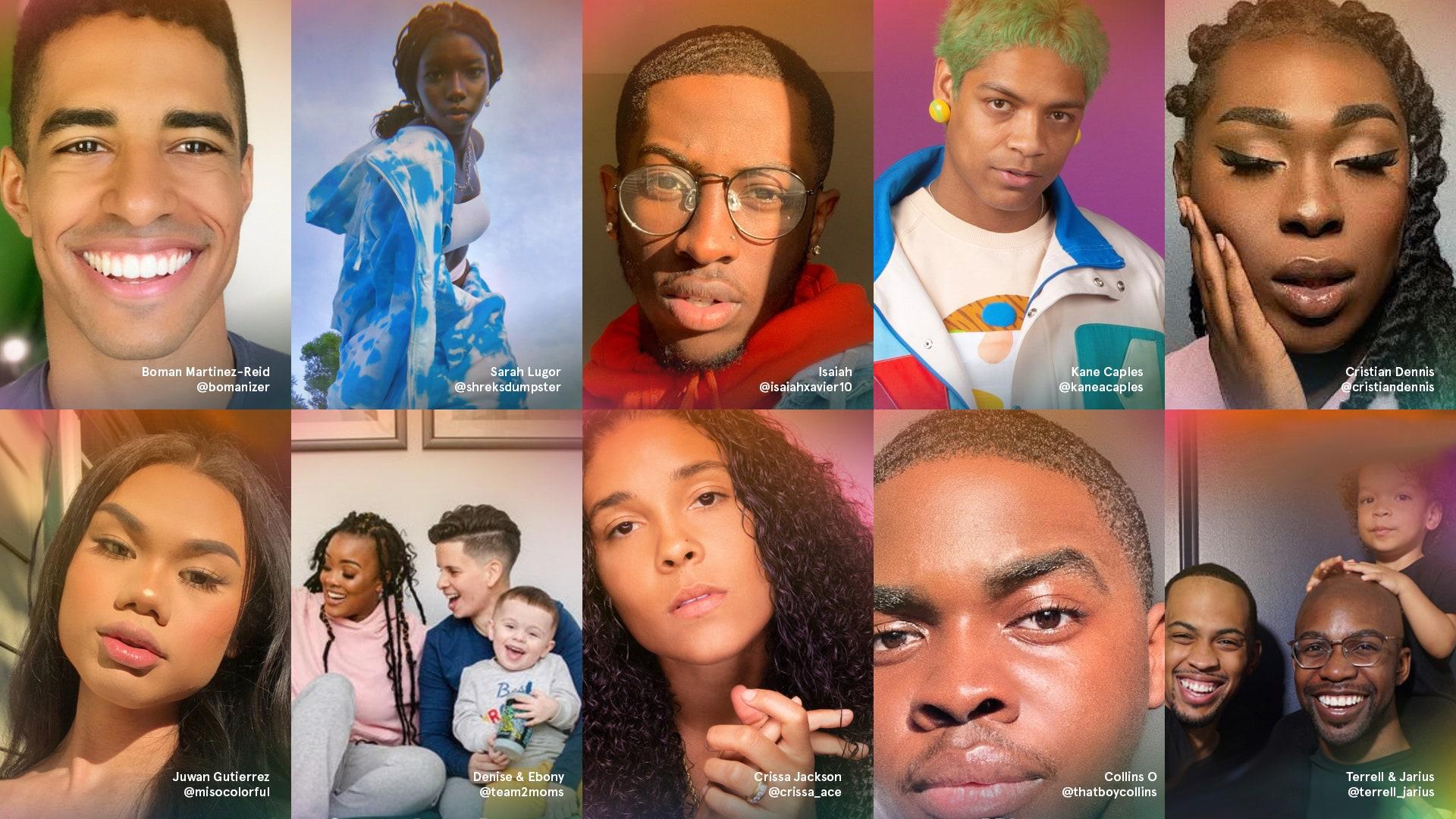
In a digital landscape where authenticity reigns supreme, a new breed of marketing has emerged, redefining the way brands connect with consumers. Welcome to “,” where we delve into the fascinating world of TikTok influencers who are shaping trends, sparking conversations, and unlocking the potential of products in ways traditional advertising could only dream of. With their vibrant creativity and engaged audiences, these creators have transcended the role of mere endorsers to become trusted voices in a rapidly evolving marketplace. Join us as we explore how TikTok has become the launchpad for innovative collaborations, the dynamics of influencer marketing, and the intricate dance between authenticity and commerce in the age of social media.
Table of Contents
- Understanding the Role of TikTok Creators in Modern Marketing
- Strategies for Brands to Collaborate Effectively with Influencers
- Building Authenticity: The Key to Successful Product Ambassadorship
- Measuring Impact: Evaluating the Success of TikTok Influencer Campaigns
- Insights and Conclusions
Understanding the Role of TikTok Creators in Modern Marketing
As the digital landscape evolves, TikTok creators have emerged as pivotal players in the realm of marketing, offering brands a fresh avenue to connect with audiences. These creators possess an innate ability to blend entertainment with product promotion, making them formidable product ambassadors. With their engaging content and authentic voices, they create relatability that resonates with users on the platform. This organic connection often leads to a more enthusiastic and trusting audience, making TikTok creators not merely influencers, but integral marketing partners who bring brands closer to their potential customers.
Brands looking to effectively harness the power of TikTok should consider key factors in their creator collaborations:
- Authenticity: partnering with creators who genuinely resonate with the brand’s values ensures a more believable promotion.
- Creativity: allowing creators the freedom to express the product in their unique style often results in more dynamic and engaging content.
- Community Engagement: leveraging creators who have built a loyal following can facilitate direct interactions with the audience.
| Factor | Description |
|---|---|
| Authenticity | Creators who align with brand values create trustworthy content. |
| Creativity | Diverse expression leads to more engaging and unique advertisements. |
| Community | Growing brands through direct and genuine interactions with followers. |
Strategies for Brands to Collaborate Effectively with Influencers
To forge strong partnerships with TikTok influencers, brands should prioritize authenticity and mutual alignment. It’s essential to engage creators whose audience demographics resonate with the brand’s target market. Research the influencer’s content style and previous collaborations to ensure a natural fit. Consider these key approaches:
- Open Communication: Foster a dialogue where both parties feel comfortable discussing campaign ideas and expectations.
- Creative Freedom: Allow influencers to express their individuality; their unique voice is what drew their audience in the first place.
- Clear Objectives: Define measurable goals for the collaboration—brand awareness, product sales, or community engagement.
Furthermore, brands should develop a structured framework to maintain and review collaborations. This involves setting timelines, budget allocations, and content review processes. An easy-to-follow timeline can keep both brands and influencers aligned on deliverables:
| Step | Description | Deadline |
|---|---|---|
| Initial Meeting | Discuss collaboration ideas and goals. | Week 1 |
| Content Planning | Create a content calendar together. | Week 2 |
| Campaign Launch | Deploy content on scheduled dates. | Week 4 |
| Performance Review | Analyze engagement metrics and feedback. | Week 6 |
Building Authenticity: The Key to Successful Product Ambassadorship
In the vibrant world of TikTok, authenticity is the currency that can make or break a brand’s success. Audiences are increasingly savvy; they can easily detect when someone is promoting a product purely for profit rather than genuine belief in its value. This is where product ambassadorship flourishes, as creators who genuinely love and use a product can convey their passion in a way that resonates with their followers. Transparency and relatability become crucial tools, allowing influencers to share real-life applications of the products they endorse, showcasing their benefits seamlessly integrated into their daily lives.
Successful collaborations often hinge on a shared vision between the brand and the influencer. To foster this connection, brands should consider the following factors when selecting ambassadors:
- Alignment with Values: Ensure the ambassador’s personal brand complements your company’s ethos.
- Creative Freedom: Allow influencers the freedom to present the product in their unique style, which their audience loves.
- Engagement Metrics: Assess how well the influencer interacts with their community, beyond basic follower counts.
Establishing these genuine relationships not only enhances credibility but also cultivates a loyal consumer base, creating a loop of advocacy that circulates authenticity through the vast ecosystem of TikTok.
Measuring Impact: Evaluating the Success of TikTok Influencer Campaigns
Understanding the effectiveness of TikTok influencer campaigns requires a multifaceted approach to measurement. Key performance indicators (KPIs) should be aligned with the campaign’s goals and might include metrics such as:
- Engagement Rate: Likes, shares, and comments that indicate audience interaction.
- Reach and Impressions: The number of unique users who saw the content and the total number of times it was displayed.
- Conversion Rate: The percentage of users taking a desired action, such as purchasing a product or signing up for a newsletter.
- Brand Sentiment: Analyzing viewer comments and feedback to gauge audience perception.
To effectively track these metrics, utilizing analytics tools such as TikTok’s own Pro Account features or third-party software like Hootsuite and Sprout Social can be valuable. Additionally, a well-structured table can serve as a quick reference guide to the impact assessment of various campaigns:
| Campaign Name | Engagement Rate | Conversion Rate | Sentiment Score |
|---|---|---|---|
| GlowUp Challenge | 12.3% | 5.9% | Positive |
| Tasty Treats | 9.7% | 4.5% | Neutral |
| FitFam Resolutions | 15.8% | 8.1% | Very Positive |
Insights and Conclusions
As we navigate the ever-evolving landscape of digital marketing, TikTok creators are redefining the role of product ambassadors. Their unique ability to connect with audiences through authentic storytelling and engaging content has made them invaluable assets for brands looking to make an impact. In unlocking the potential of these influencers, businesses now have the opportunity to not only reach, but resonate with their target demographics in innovative ways.
As we look ahead, the collaboration between brands and TikTok creators will undoubtedly continue to grow, setting new standards for engagement and creativity in marketing. Whether through viral challenges, behind-the-scenes insights, or real-time reviews, these influencers are shaping consumer behavior and influencing purchasing decisions like never before.
In this dynamic ecosystem, the future is bright for those who embrace the potential of influencer partnerships. As brands seek to harness the power of community-driven marketing, TikTok creators stand at the forefront, ready to bridge the gap between products and audiences in ways that are both profound and lasting. The journey of influencers is just beginning, and it will be fascinating to see how they continue to unlock new avenues for connection and creativity in the world of commerce.