
In the rapidly evolving landscape of digital media, TikTok has emerged as a formidable player, reshaping how content is consumed and shared across platforms. At the heart of this phenomenon lies a sophisticated algorithm, engineered to maximize user engagement through meticulous data utilization. This article delves into the intricacies of TikTok’s algorithm, exploring its foundational principles and the strategic deployment of user data that underpins its functionality. By analyzing the interplay between user interactions, content recommendation mechanisms, and data analytics, we aim to elucidate how TikTok not only captures but also sustains audience interest in an increasingly competitive environment. Through a technical lens, this exploration will provide insights into the mechanisms that drive engagement on the platform and offer a framework for understanding the implications of algorithmic choices in the age of information.
Table of Contents
- Understanding TikToks Algorithmic Framework and Its Impact on User Engagement
- Leveraging User Data for Enhanced Content Discovery and Personalization
- Strategies for Creators to Align Content with Algorithmic Preferences
- Evaluating Ethical Considerations in Data Utilization and Engagement Optimization
- Future Outlook
Understanding TikToks Algorithmic Framework and Its Impact on User Engagement
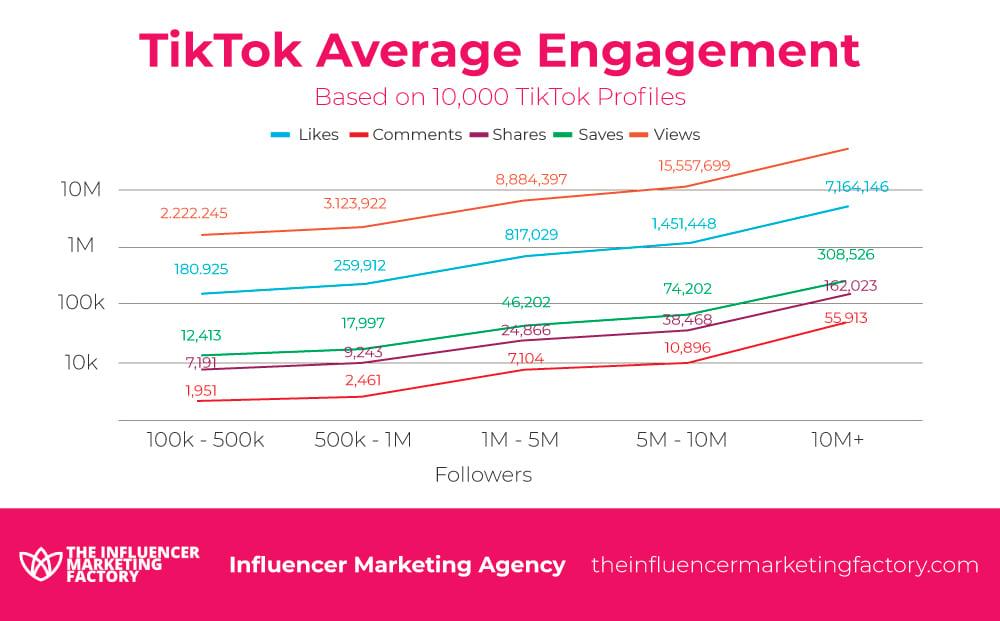
The algorithmic framework that powers TikTok is a complex interplay of user data and machine learning techniques designed to enhance user experience and engagement. At the core, it prioritizes content personalization, utilizing metrics such as user interactions, video information, and device/account settings. This approach allows TikTok to curate a feed that resonates with individual user preferences. The algorithm considers factors like the watch time of videos and engagement rates—likes, shares, and comments—to create a tailored viewing experience that evolves with each user’s behavior.
To further understand this dynamic system, it’s essential to highlight how content creators can leverage this algorithm for improved engagement. Key strategies include:
- Quality Over Quantity: Focus on creating high-quality, engaging content that retains viewers.
- Hashtag Optimization: Use relevant and trending hashtags to enhance discoverability.
- Understanding Trends: Participate in trending challenges or themes that resonate with the audience.
- Engagement Tactics: Foster interaction by inviting viewers to comment or duet with the posts.
| Engagement Factor | Impact on Visibility |
|---|---|
| Watch Time | High influence; longer retention boosts algorithm rankings. |
| User Interactions | Direct correlation; more likes and comments lead to higher visibility. |
| Content Variety | Increases audience retention; diverse formats boost engagement. |
Leveraging User Data for Enhanced Content Discovery and Personalization
TikTok’s ability to leverage user data sets it apart in the competitive landscape of social media platforms. By analyzing a multitude of behavioral signals, TikTok optimizes content curation and enhances the user experience. Some key data points that the platform extracts from its users include:
- Viewing habits: How long users watch a particular video and which videos prompt them to scroll away.
- Engagement metrics: Likes, shares, comments, and the frequency of interactions with specific content types.
- Content preferences: The genre of videos users engage with, such as music, comedy, or educational content.
This wealth of information feeds into TikTok’s sophisticated recommendation algorithm, which then serves personalized content tailored to individual preferences. It also continuously evolves, adapting based on emerging trends and shifts in user behavior. The table below illustrates a simplified example of how different data points correlate with enhanced personalization:
| User Behavior | Data Points | Personalization Outcome |
|---|---|---|
| High video completion rate | Duration watched, replays | More similar content shown |
| Frequent likes and shares | Engagement counts | Promoted trending topics |
| Specific hashtag usage | Hash tagged content interactions | Curated niche content feed |
Strategies for Creators to Align Content with Algorithmic Preferences
Creators aiming to maximize engagement on TikTok must consider strategies that align their content with the platform’s algorithm. A strong understanding of user behavior and data patterns is essential. Here are some techniques to foster this alignment:
- Consistent Posting Schedule: Regularly posting at peak times can significantly enhance visibility. Analyze your audience insights to determine when your followers are most active.
- Utilize Trending Sounds: Incorporate popular audio clips into your videos, as the algorithm favors content that resonates with current trends.
- Engage with Your Audience: Respond to comments and messages to increase interaction, as higher engagement metrics positively influence your content’s visibility.
- Leverage Hashtags Strategically: Use a mix of trending and niche hashtags to reach both wider and more targeted audiences.
To further refine your approach, consider analytics tools that provide insights into how your content performs over time. Using these data-driven insights allows creators to make informed decisions and adapt their strategies. Here’s a simple table summarizing key performance indicators (KPIs) to monitor:
| Metric | Importance |
|---|---|
| View Count | Indicates reach and potential virality |
| Engagement Rate | Measures audience interaction and content quality |
| Follower Growth | Demonstrates audience expansion and content appeal |
| Watch Time | Reflects viewer interest and content retention |
Evaluating Ethical Considerations in Data Utilization and Engagement Optimization
In the age of digital consumption, the ethical landscape surrounding data utilization is crucial, particularly within platforms like TikTok that rely heavily on user interaction to optimize engagement. Privacy and consent emerge as pivotal themes, as users often provide vast amounts of personal data without fully understanding the implications. The platform tracks behavior patterns that inform its algorithm, often raising concerns about informed consent, especially when user agreements can be lengthy and complex. The responsibility lies not only with TikTok but also with policymakers to establish clearer guidelines that protect users while promoting transparency in data handling practices.
Moreover, the potential for bias in algorithmic decision-making must be scrutinized. Algorithms can inadvertently perpetuate existing inequalities based on the data they consume. For example, content promotion may favor certain demographics over others, limiting diverse representation on the platform and thereby affecting user experience. A thorough evaluation of user data practices should include considerations such as:
- Algorithm Transparency: How openly does TikTok communicate about the factors that influence content visibility?
- Data Ethics: Is the platform ensuring a fair approach in data collection and usage?
- User Empowerment: Are there mechanisms in place for users to manage their data effectively?
By addressing these ethical concerns, TikTok can not only enhance user trust but also foster a more inclusive environment that values the perspectives of all users.
Future Outlook
the intricate mechanisms underlying TikTok’s algorithm illustrate a sophisticated interplay between user data utilization and content optimization strategies. By harnessing advanced machine learning techniques and real-time data analytics, TikTok not only enhances user engagement but also continuously refines its recommendation system to cater to ever-evolving user preferences. As brands and content creators seek to maximize their presence on the platform, understanding these underlying algorithmic processes becomes paramount. Emphasizing personalized experiences and fostering genuine interactions will be essential in navigating the dynamic landscape of digital engagement. Future research and developments in this domain will likely yield even more nuanced insights, enabling stakeholders to strategically leverage TikTok’s capabilities to drive meaningful connections with audiences worldwide. Adapting to these changes will be critical in ensuring sustained relevance in an increasingly competitive marketplace.