
As the world becomes increasingly interconnected through social media platforms, TikTok has risen to prominence, captivating millions with its vibrant short videos and a unique creative ecosystem. While this app offers an exciting way to express oneself and connect with others, it also poses significant privacy risks that users may not fully comprehend. Many TikTok users share snippets of their lives, thoughts, and routines without considering the lasting digital footprint they are creating. In this article, we will explore the potential consequences of oversharing on TikTok, the inherent risks associated with data privacy, and practical steps you can take to safeguard your personal information while still enjoying the platform. By staying informed and vigilant, you can navigate TikTok with greater confidence and protect what matters most—your privacy.
Table of Contents
- Understanding the Privacy Landscape on TikTok
- Identifying Personal Risks in Content Sharing
- Strategies for Safeguarding Your Information
- Best Practices for Secure Engagement on TikTok
- To Wrap It Up
Understanding the Privacy Landscape on TikTok
As TikTok continues to grow in popularity, the complexities surrounding user privacy become increasingly important to understand. The platform’s unique algorithm and vast reach complicate the dynamics of data collection and sharing. When users post videos, they unwittingly share a significant amount of personal information. This includes not just the content of the videos, but also location data, user interactions, and device information. Many users are unaware of the potential risks associated with such sharing, which can lead to unwanted attention or misuse of personal information.
Furthermore, it’s essential to recognize how public visibility on TikTok can impact an individual’s privacy. Many users may not realize that even seemingly innocuous posts can reveal patterns about their daily lives or personal preferences. Here are a few considerations regarding privacy on TikTok:
- Data Storage: Information collected by TikTok may be stored indefinitely, leading to long-term privacy concerns.
- Third-Party Sharing: TikTok has been known to share data with third-party advertisers, increasing the risk of targeted ads and data usage.
- Cultural Perceptions: Different regions have different perceptions of privacy, and what might seem harmless in one culture could be sensitive in another.
Identifying Personal Risks in Content Sharing
In the digital age, sharing content on platforms like TikTok has become a common practice, but it comes with various personal risks. Users often reveal more than they realize, exposing sensitive information that can lead to unwanted consequences. The potential dangers include:
- Privacy Invasion: Personal details, such as location, can be inadvertently disclosed through visual cues in videos.
- Identity Theft: Sharing identifiable information may allow malicious individuals to impersonate you or access your sensitive data.
- Cyberbullying: The more content shared, the higher the chances of receiving negative comments or harassment from peers.
It’s crucial to assess the implications of what you share. Each video posted is a digital footprint that can be difficult to erase. Consider creating a personal risk assessment table to evaluate the content before sharing it. Here is a simple template:
| Type of Risk | Impact Level | Mitigation Strategies |
|---|---|---|
| Privacy Invasion | High | Avoid sharing your location or personal identifiers. |
| Identity Theft | Medium | Limit sharing of sensitive information. |
| Cyberbullying | High | Use privacy settings to control who can view your content. |
Strategies for Safeguarding Your Information
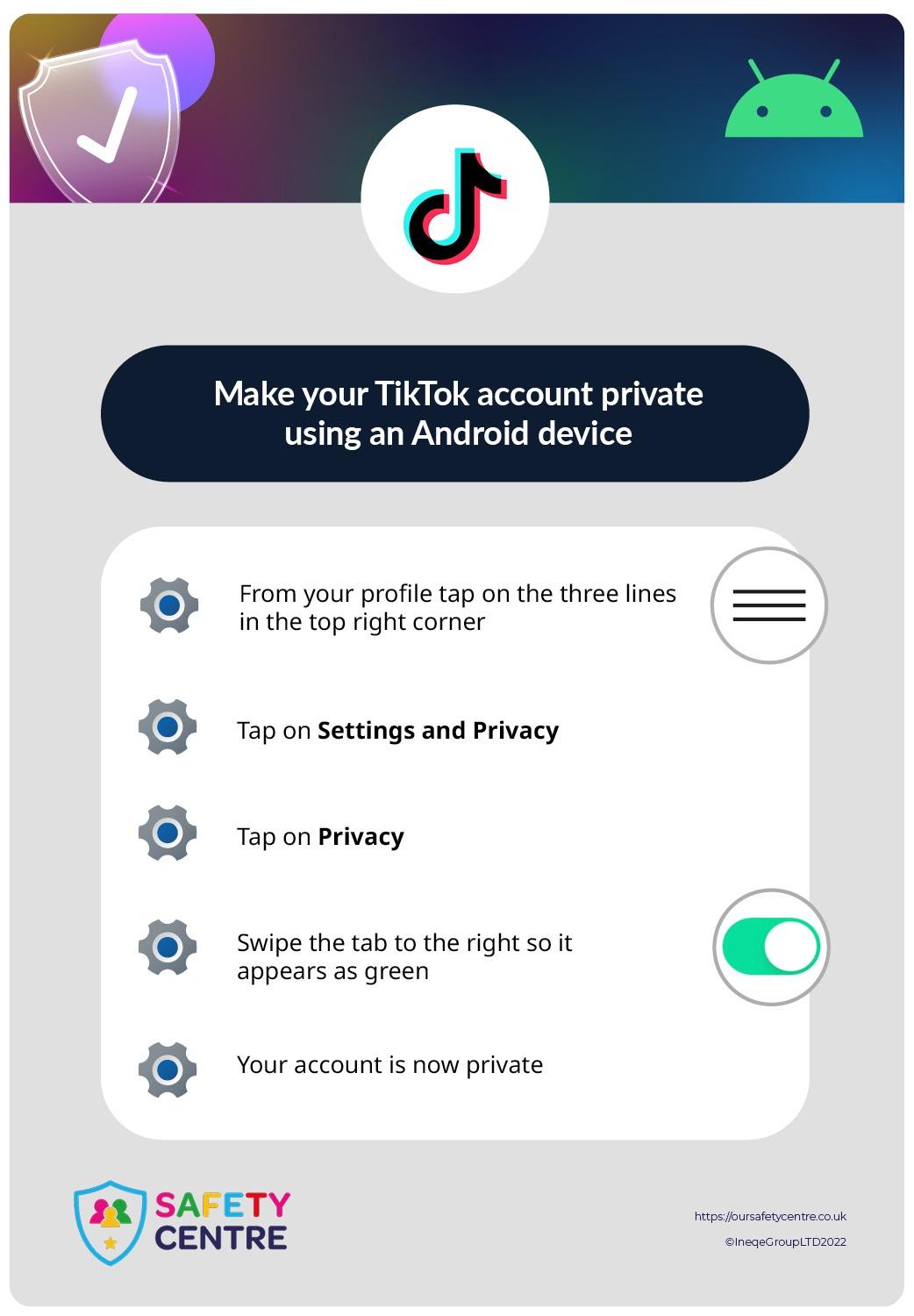
In an age where social media platforms like TikTok thrive on user engagement, it is crucial to implement robust strategies to protect your personal information. Start by adjusting your privacy settings to limit who can view your content. Choose the option to make your account private, allowing only approved followers to access your videos. Additionally, be mindful of the types of content you share; avoid personal identifiers, such as your full name, address, or contact details. Adopting a selective sharing approach can significantly reduce the likelihood of your information falling into the wrong hands.
Moreover, consider these proactive steps to further safeguard your information:
- Regularly review your followers: Make sure to remove any suspicious accounts from your follower list.
- Avoid connecting third-party apps: Be cautious when granting other applications access to your TikTok account.
- Use unique passwords: Create strong, complex passwords for your TikTok account and change them periodically.
- Educate yourself: Stay informed about the latest security updates and privacy features offered by TikTok.
Best Practices for Secure Engagement on TikTok
To engage securely on TikTok, users should prioritize their privacy settings and actively manage who can view their content. Start by changing your account from public to private, which gives you control over who can follow you and see your videos. Additionally, consider disabling the option for strangers to comment on your videos or send you direct messages. Regularly review your followers and remove any accounts that appear suspicious or that you don’t recognize.
Moreover, it’s important to be mindful of the information you share in your videos and profile. Avoid posting personal details such as your real name, address, school, or phone number. Here are some helpful tips to ensure safer engagement:
- Limit Location Sharing: Disable location tags in your posts to protect your whereabouts.
- Be Cautious with Trends: Think critically about participating in viral challenges that could compromise your safety.
- Beware of Phishing: Watch out for links or messages from unfamiliar accounts promising popularity or giveaways.
| Risk | Recommendation |
|---|---|
| Unwanted Attention | Switch to private account |
| Sharing Personal Info | Refrain from posting identifiable information |
| Cyberbullying | Utilize reporting features and block offenders |
To Wrap It Up
while TikTok presents a vibrant platform for creativity and connection, it is crucial to remain vigilant about the information we choose to share. The risks associated with oversharing are significant, ranging from breaches of privacy to potential exploitation by malicious actors. By understanding these risks and implementing effective strategies to safeguard your personal data, you can enjoy the platform while maintaining control over your digital footprint. Remember, your privacy is in your hands; take the time to review your privacy settings, be mindful of the content you post, and engage with the TikTok community responsibly. As we navigate this ever-evolving digital landscape, prioritizing our privacy will empower us to create and share securely. Stay informed, stay cautious, and keep dancing to your own rhythm—safely.