
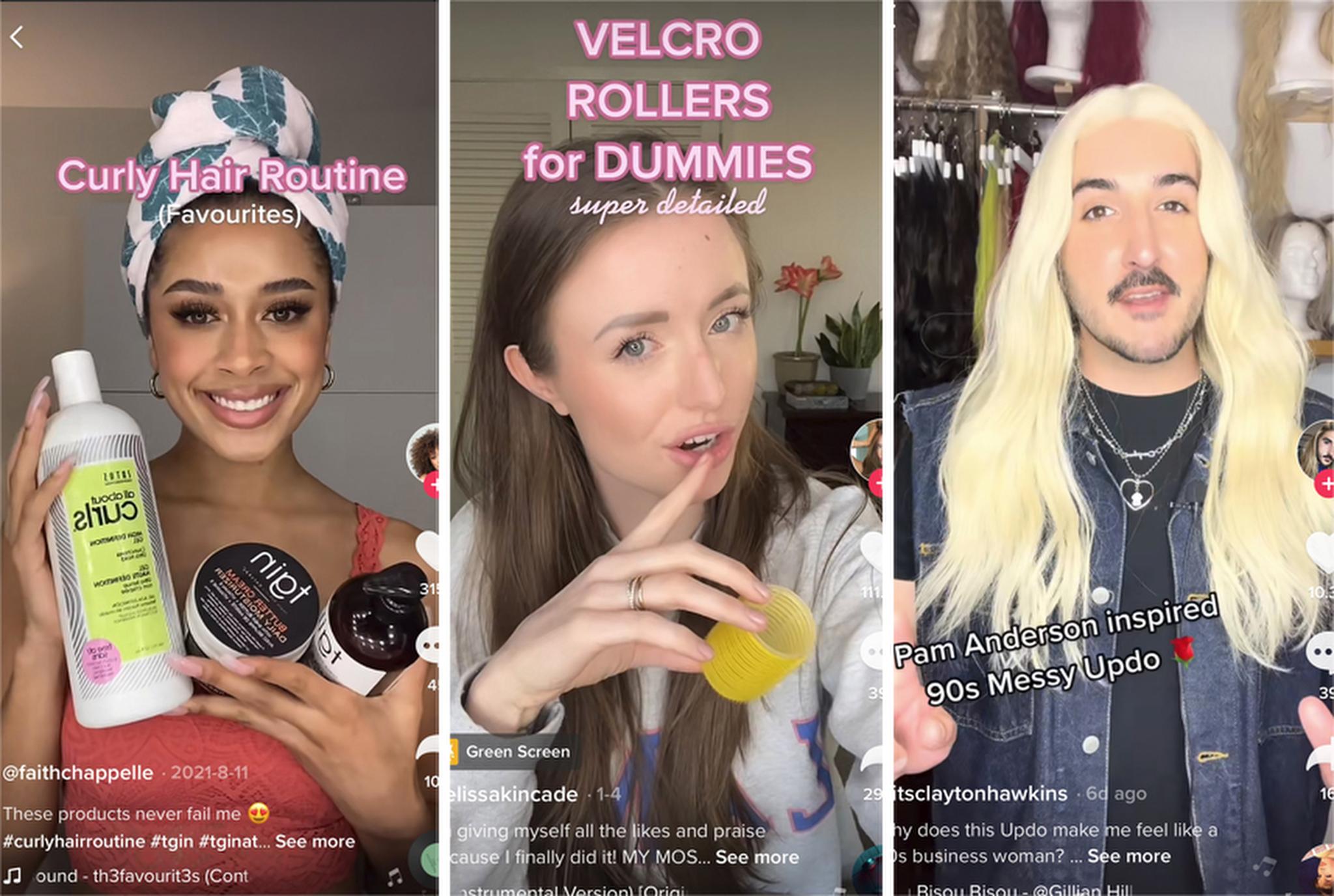
As social media platforms continue to evolve, TikTok has emerged as a significant force in shaping beauty norms and standards across the globe. With its short-form videos and algorithm-driven content delivery, the app has given rise to a new generation of influencers who wield considerable power in the beauty industry. While these creators engage audiences with makeup tutorials, skincare routines, and fashion tips, their influence extends beyond mere trends; they actively shape perceptions of beauty, body image, and self-acceptance among their followers. In a landscape where likes and shares can quickly catapult individuals to fame, understanding the impact of TikTok influencers on beauty norms is essential in recognizing the complexities of modern beauty culture. This article explores the ways in which TikTok influencers impact beauty ideals, the potential for both positive and negative consequences, and the broader implications for self-image in the digital age.
Table of Contents
- Shifting Standards: How TikTok Influencers Redefine Beauty Expectations
- The Role of Authenticity: Analyzing Influencer Transparency in Beauty Trends
- Promoting Diversity: The Influence of TikTok on Inclusive Beauty Representation
- Cultivating Positive Change: Recommendations for Ethical Practices in Beauty Influencing
- Insights and Conclusions
Shifting Standards: How TikTok Influencers Redefine Beauty Expectations
The rise of TikTok influencers has ushered in a new era of beauty standards that deviate sharply from traditional media portrayals. With their authentic and often unfiltered content, these influencers are fostering a sense of inclusivity and diversity that challenges long-held ideals. Audiences are increasingly drawn to trends that celebrate realistic portrayals of beauty, emphasizing the following key aspects:
- Body Positivity: Influencers openly discuss body image issues, encouraging followers to embrace their natural shapes and sizes.
- Flaws as Features: The focus has shifted from perfection to individuality, where perceived flaws become celebrated attributes.
- Self-Care Over Make-up: Many influencers prioritize skincare routines and self-care practices, promoting health over superficial enhancements.
This shift in beauty expectations is reflected in how brands market their products. Gone are the days when heavily edited images dominated advertising. Now, brands collaborate with influencers who resonate with authenticity, resulting in campaigns that reflect a broader spectrum of beauty. Consider the following data highlighting brands’ response to this cultural transition:
| Brand | Campaign Focus | Influencer Partnership |
|---|---|---|
| Skincare Co. | Real Results | Body Positivity Advocates |
| Makeup Brand | Diversity in Shades | All-Skin-Tones Influencers |
| Health Product | Self-Care Routines | Skincare Enthusiasts |
The Role of Authenticity: Analyzing Influencer Transparency in Beauty Trends
The rise of TikTok as a dominant platform for beauty influencers has significantly shifted the landscape of beauty trends, drawing attention to the importance of transparency among content creators. In an environment that encourages rapid content consumption, influencers wield immense power in shaping beauty norms, often using their platforms to promote products and trends. However, the correlation between authenticity and influence has become a focal point of discussion. Audiences increasingly seek genuine engagements, as they desire to connect with influencers who openly share their personal experiences and challenges with beauty products.
Consumers are becoming more discerning, leading to a growing demand for authenticity in makeup and skincare recommendations. The credibility of influencers hinges on their ability to exhibit transparency regarding product usage, effectiveness, and personal routines. To better understand this phenomenon, here are key factors influencing the perception of authenticity among beauty influencers:
- Real-Life Application: Influencers sharing unedited content showcasing their daily makeup use.
- Ingredient Transparency: Discussing product ingredients and personal reactions to them.
- Cost vs. Benefit Analysis: Honest reviews on whether their recommendations are worth the investment.
As the beauty landscape continues to evolve, the balance between personal branding and authenticity remains pivotal. Influencers who prioritize honesty and openness not only build a loyal following but also contribute to a broader understanding of beauty diversity. In an industry often criticized for unrealistic standards, those who embrace a transparent approach may very well redefine consumer expectations and reinforce a burgeoning culture of acceptance and individuality.
Promoting Diversity: The Influence of TikTok on Inclusive Beauty Representation
The rise of TikTok has revolutionized the way beauty is perceived and represented in our society. With its algorithmic approach to content, TikTok has given voice to a diverse array of influencers who challenge traditional beauty standards. This platform allows users to share their stories, showcasing unique features and individual journeys in beauty without the barriers typically seen in mainstream media. Influencers of various ethnicities, body types, and gender identities are highlighting inclusivity, fostering a sense of belonging amongst their audiences. Through the use of hashtags like #BeautyInAllForms and #InclusiveBeauty, these creators are not only reshaping perceptions but also encouraging conversations about what beauty really means.
Moreover, TikTok’s interactive nature amplifies these messages, as followers engage with content in real-time through comments, duets, and stitches. This creates a community where beauty ideals are continuously evolving, reflecting a broader spectrum of representation. For instance, users are embracing makeup tutorials that highlight techniques for a variety of skin tones and textures, promoting a deeper understanding of beauty products. As beauty influencers use their platforms to share personal stories and educational content, the ripple effect fosters a more inclusive narrative that transcends conventional standards. This collective reshaping of beauty norms emphasizes the importance of visibility in the beauty industry, paving the way for a future where everyone can see themselves represented.
Cultivating Positive Change: Recommendations for Ethical Practices in Beauty Influencing
As norms around beauty continue to evolve, it is essential for influencers on platforms like TikTok to adopt ethical practices that foster inclusivity and authenticity. Here are some recommendations that can lead to a more positive impact in the beauty community:
- Promote Diversity: Celebrate a variety of skin tones, body types, and gender expressions in content to reflect a realistic spectrum of beauty.
- Be Transparent: Disclose partnerships with brands and provide honest reviews to build trust with followers.
- Encourage Self-Love: Share messages that prioritize self-acceptance and self-care over unattainable beauty standards, helping followers to appreciate their uniqueness.
- Support Ethical Brands: Partner with and promote brands that prioritize sustainability, cruelty-free practices, and ethical production.
In exercising their influence, creators can also host educational segments or community challenges that reinforce these values. The following table illustrates examples of potential initiatives:
| Initiative | Description |
|---|---|
| Acceptance Campaigns | Encourage followers to share unfiltered images embracing their natural beauty. |
| Brand Highlight | Feature brands with eco-friendly practices and share insights about their ethics. |
| Skill Sharing Workshops | Organize virtual sessions on makeup skills that celebrate personal expression rather than conforming to trends. |
Insights and Conclusions
As TikTok continues to dominate social media landscapes, the influence of its content creators on beauty standards cannot be underestimated. These influencers have the power to both challenge and reinforce prevailing norms, shaping perceptions of beauty for millions of viewers. As we navigate this complex digital environment, it is essential to critically assess the messages being propagated and their implications for body image and self-esteem. The ongoing dialogue surrounding beauty norms on platforms like TikTok will undoubtedly evolve, prompting stakeholders—marketers, educators, and mental health advocates alike—to consider their roles in promoting a more inclusive and diverse representation of beauty. As the platform grows, so too does its responsibility to foster a healthy understanding of beauty that resonates with authenticity and celebration of individuality.