
Introduction:
In an age where social media dominates our daily interactions, TikTok has emerged as a powerful platform for both entertainment and marketing. With its rapid growth, the landscape has become teeming with influencers eager to build their brands and reach vast audiences. However, alongside this opportunity comes a darker side: influencer scams that can easily ensnare unsuspecting users and brands alike. As the allure of viral fame and quick returns draws more individuals into the TikTok fold, it’s crucial to equip ourselves with the knowledge needed to navigate this complex terrain safely. In this article, we’ll explore smart strategies to help you sidestep TikTok influencer scams, empowering you to maximize your social media experience while safeguarding your investments and personal information. Whether you’re a brand seeking to collaborate, a user hoping to engage with trusted voices, or simply looking to stay informed, these practical tips will help you traverse TikTok’s vibrant yet challenging marketplace with confidence.
Table of Contents
- Understanding the Landscape of TikTok Influencer Scams
- Identifying Red Flags in Influencer Partnerships
- Implementing Best Practices for Secure Collaborations
- Leveraging Technology for Enhanced Fraud Detection
- Insights and Conclusions
Understanding the Landscape of TikTok Influencer Scams
As TikTok continues to grow in popularity, the platform has become a lucrative ground for influencers and brands alike. However, with this surge in opportunity comes a darker side—scams that prey on unsuspecting users. To safeguard yourself against these schemes, it’s essential to recognize the signs. Some warning signals include vague promises of income, pressure tactics to join a scheme quickly, and an absence of verifiable testimonials. Always conduct thorough research before engaging with any influencer or marketing campaign to ensure authenticity.
One effective way to avoid scams is to stay informed about common tactics scammers use. Consider these points to enhance your awareness:
- Look for Transparency: Genuine influencers provide clear information about their partnerships and income sources.
- Check Engagement Rates: Accounts with high follower counts but low engagement may indicate inauthentic growth.
- Read Reviews: Search for feedback from others who may have encountered the influencer or their promotions.
- Utilize Trusted Resources: Websites focused on influencer marketing can help verify legitimate influencers.
| Type of Scam | Signs to Spot |
|---|---|
| Affiliate Marketing Scams | Unrealistic earnings, lacking a solid business model. |
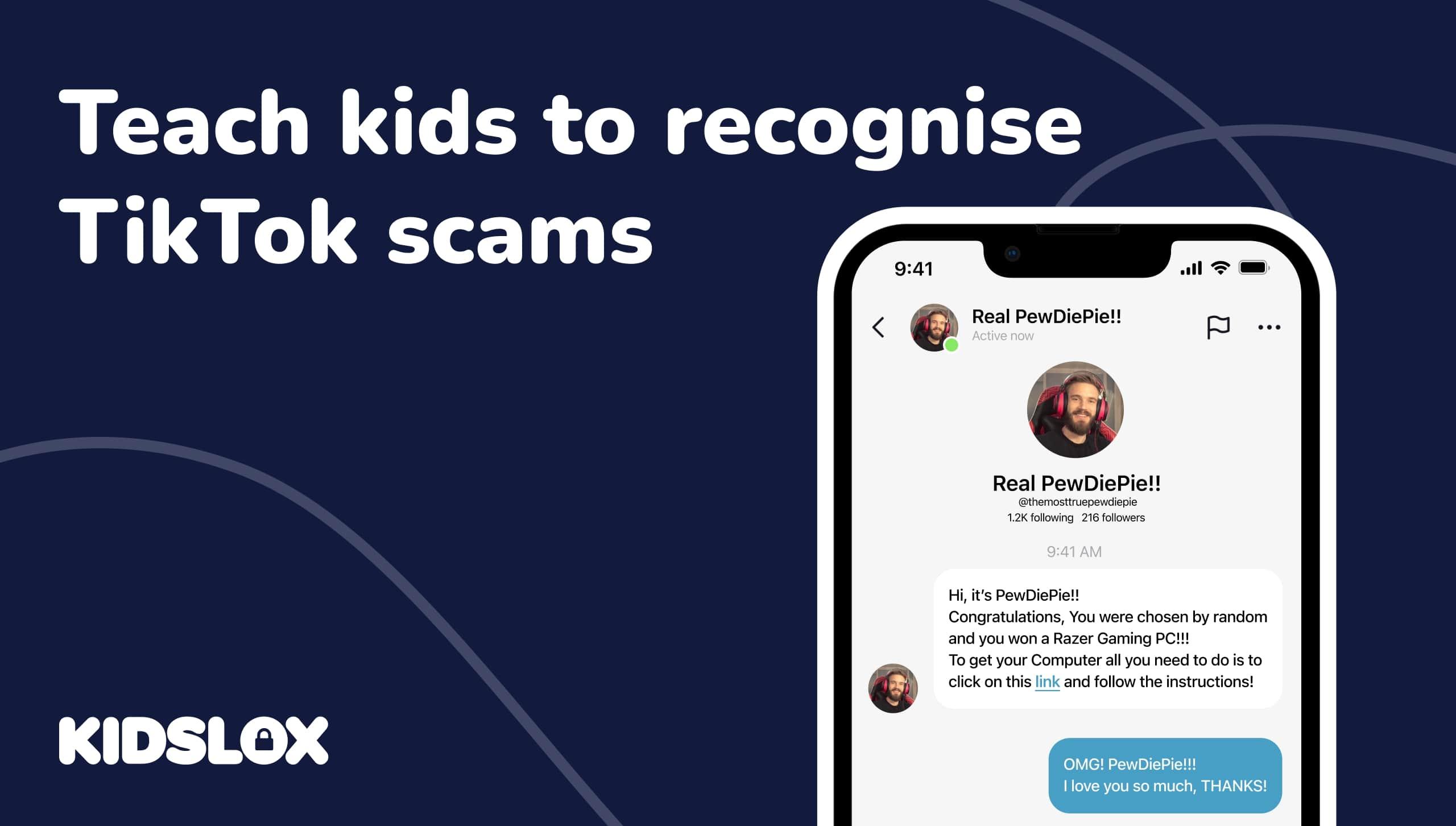
| Fake Giveaways | Requests for personal info, excessive sharing requirements. |
| Bot Followers | High follower count, minimal engagement. |
Identifying Red Flags in Influencer Partnerships
When engaging with TikTok influencers, it’s crucial to be vigilant for signs that may indicate a red flag in the partnership. Prominent warning signs include a lack of transparency regarding previous partnerships, inflated follower counts, or engagement rates that look suspicious. Before entering any agreements, assess the influencer’s content authenticity by examining the comments and interactions on their posts. Keep an eye out for generic comments or spam-like engagement that suggests their following may not be genuine.
Another critical factor is communication. If an influencer is evasive about their rate card or delays answering your questions, it may signal underlying issues. Consider the following factors to gauge the reliability of the influencer:
| Factor | Indicator |
|---|---|
| Content Quality | Inconsistent style or messaging |
| Engagement Level | Low interaction on high follower count |
| Brand Affinity | Promotes competing brands frequently |
By maintaining a clear understanding of these red flags, you can make better-informed decisions and protect your brand from potential scams, allowing for genuine and fruitful collaborations in the vibrant TikTok landscape.
Implementing Best Practices for Secure Collaborations
In today’s digital landscape, ensuring secure collaborations is paramount, particularly when navigating the potential pitfalls of influencer partnerships on platforms like TikTok. To safeguard your brand and investments, adopt these best practices:
- Conduct Thorough Vetting: Always investigate an influencer’s background and audience engagement. Use tools to verify their follower count and authenticity.
- Establish Clear Contracts: Draft detailed agreements that outline deliverables, timelines, and payment terms to avoid misunderstandings.
- Monitor Campaigns Regularly: Keep a close eye on the performance of collaborations and engage with the content being produced to ensure it aligns with brand values.
- Implement Secure Payment Methods: Use reliable payment platforms that offer protection against fraud and ensure that transactions are secured.
Furthermore, consider creating a simple framework to track and manage your influencer partnerships effectively. Below is an example of how you might structure a table to evaluate potential collaborators.
| Influencer Name | Follower Count | Engagement Rate | Reputation Score |
|---|---|---|---|
| Influencer A | 300K | 5% | High |
| Influencer B | 150K | 3% | Medium |
| Influencer C | 500K | 6% | High |
Leveraging Technology for Enhanced Fraud Detection
In the digital age, employing advanced tools is essential for identifying and mitigating risks associated with influencer marketing. By integrating AI-powered algorithms and data analytics, businesses can monitor influencer activities and track their engagement metrics in real-time. This not only helps identify potential scams but also assesses the authenticity of influencer promotions. Key strategies include:
- Behavioral Analysis: Leveraging AI to analyze patterns in follower interaction.
- Fraud Detection Technologies: Utilizing machine learning models that identify sudden spikes in follower numbers or engagement rates.
- Sentiment Analysis: Implementing natural language processing to gauge audience reactions to influencer content.
Additionally, companies should prioritize collaboration with technology providers that specialize in fraud detection solutions. Establishing a robust verification system can streamline the vetting process, allowing businesses to filter out unreliable influencers. Consider implementing a multi-layered verification approach that involves:
| Verification Method | Description |
|---|---|
| Email Verification | Confirming the legitimacy of the influencer’s email account. |
| Account Age Check | Evaluating the age of the influencer’s social media accounts. |
| Content Authenticity Test | Analyzing past posts for originality and engagement patterns. |
Insights and Conclusions
navigating the ever-evolving landscape of TikTok influencer marketing requires vigilance, awareness, and strategic thinking. By arming yourself with the smart strategies outlined in this article, you can significantly reduce the risk of falling victim to scams while maximizing the potential of authentic partnerships. Always remember to conduct thorough research, verify claims, and maintain open lines of communication with influencers to ensure that your collaborations are built on trust and transparency.
As we continue to explore the dynamic world of social media, staying informed and adaptable is crucial. Share your experiences, ask questions, and engage with other marketers and creators in the community. Together, we can foster an environment of integrity and innovation that benefits everyone involved. Thank you for reading, and may your TikTok endeavors be both fruitful and scam-free!