
In the rapidly evolving world of social media, platforms like TikTok have become integral to our daily lives, offering a space for creativity, connection, and entertainment. However, with the vast array of user-generated content comes the inevitable challenge of encountering inappropriate or harmful material. Whether it’s hate speech, explicit content, or cyberbullying, it’s crucial to know how to navigate these obstacles and foster a safer online community. This guide aims to equip TikTok users with essential knowledge on identifying, reporting, and addressing inappropriate content effectively. By empowering ourselves and others to take action, we can contribute to a more positive, enjoyable experience for everyone on the platform. Let’s explore the steps you can take to make your TikTok journey safer and more constructive.
Table of Contents
- Understanding Inappropriate Content on TikTok
- Step-by-Step Guide to Reporting Violations
- The Importance of Community Guidelines and User Safety
- Best Practices for Effective Reporting and Follow-Up
- In Retrospect
Understanding Inappropriate Content on TikTok
Inappropriate content on TikTok can manifest in various forms, often violating the platform’s community guidelines. Users may encounter graphic violence, hate speech, or explicit sexual content, all of which can not only harm users but also create a toxic environment. Recognizing this detrimental content is the first step toward maintaining a positive and safe community. As a responsible user, it’s vital to understand the signs of such content:
- Offensive Language: This includes derogatory remarks, slurs, or any hateful speech targeting individuals or groups.
- Graphic Violence: Content that depicts physical harm or promotes violence against others.
- Sexual Content: Any posts that contain nudity, sexual acts, or suggestive behaviors inappropriate for the platform.
- Misinformation: Spreading false information that could cause harm or panic, especially regarding health or safety.
It’s essential for users to actively participate in creating a safer TikTok ecosystem. When you encounter inappropriate content, take action by reporting it through the app. The reporting process is straightforward, but understanding what constitutes a violation can empower users to act effectively. Here’s a quick reference table outlining common types of content that warrant reporting:
| Type of Inappropriate Content | Description |
|---|---|
| Hate Speech | Any content aimed at demeaning or attacking a specific group. |
| Bullying | Content designed to harass or intimidate individuals. |
| Graphic Content | Violent or sexual imagery that may shock users. |
| Spam | Posts that are repetitive or aim to mislead users. |
Step-by-Step Guide to Reporting Violations
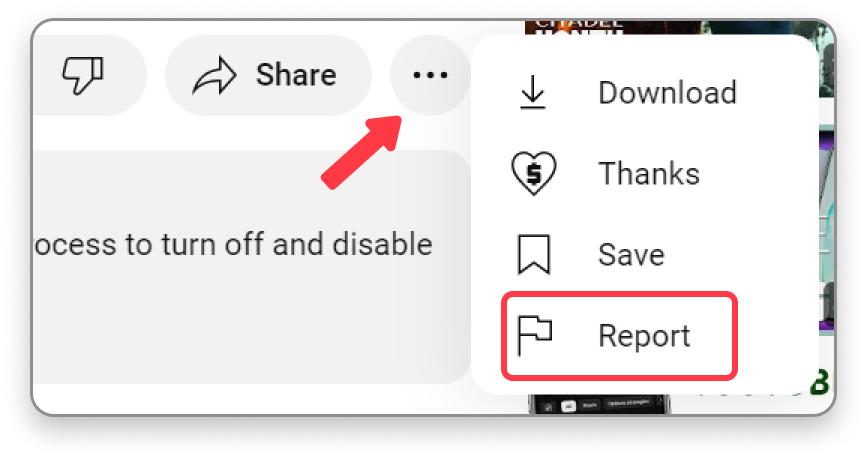
If you come across content on TikTok that violates community guidelines or is inappropriate, it’s essential to report it promptly. Start by locating the video or content in question. Once you have it open, look for the share icon (usually represented as an arrow) on the right side of the screen. Tap on this icon, and a menu will appear, giving you various options. From this menu, select the “Report” option, which will direct you to the reporting interface where you can specify the nature of the violation.
When reporting, you’ll need to choose from several categories that best describe the inappropriate content. These may include harassment or bullying, hate speech, nudity or sexual content, and others. Be thorough in your selection, as providing accurate information aids in efficient review. After you’ve made your selections, you may be prompted to add comments for context, which can further assist TikTok in understanding the issue. Once you’re satisfied with your report, simply hit submit, and your report will be sent for review.
The Importance of Community Guidelines and User Safety
Community guidelines play a crucial role in maintaining a safe and respectful environment for all users on TikTok. These guidelines are designed to set clear expectations about acceptable behavior and content, ensuring that everyone can enjoy a positive experience on the platform. By adhering to these rules, users help foster a community that values creativity while discouraging harmful actions such as bullying, harassment, or the spread of misinformation. When users understand and follow these guidelines, they contribute to a safer space, which ultimately enhances the overall user experience.
To ensure user safety, TikTok also encourages users to actively engage in reporting inappropriate content. This not only empowers individuals to take control of their online experience but also enables the platform to identify and take action against abusive behavior. Reporting can be used for a variety of concerns, including but not limited to:
- Hate speech: Content that promotes violence or discrimination against individuals or groups.
- Graphic violence: Posts that depict real-life violence or painful content.
- Harassment: Content targeting individuals with threatening or demeaning language.
When users report incidents, they are actively participating in the community’s well-being, helping TikTok remain an inclusive environment for all. It’s essential to recognize that user vigilance, combined with the platform’s policies and enforcement, can lead to significant improvements in the way users interact with one another.
Best Practices for Effective Reporting and Follow-Up
To ensure that your reporting is effective, it’s essential to provide as much detail as possible. Start by clearly identifying the specific content that concerns you, whether it’s a video, comment, or account. Include timestamps and links where applicable, so TikTok’s moderation team can easily locate the content. Additionally, describe why you find it inappropriate—this could range from hate speech to graphic violence. Articulating your concerns helps the moderation team understand the context and severity of the situation, leading to a more timely and accurate response.
Following up on your report can significantly enhance the accountability of the platform. While immediate feedback may not be feasible, you can monitor the situation by checking back on the reported content after a few days. If the content is still live and the issue hasn’t been addressed, consider reporting it again, this time updating your initial report with any new insights. You may also want to engage with the TikTok community regarding the incident, as collective voices can often prompt quicker action. Here’s a quick reference table:
| Action | Description |
|---|---|
| Detail Your Report | Provide specific information about the content and your concerns. |
| Follow Up | Check back after a few days to see if any action has been taken. |
| Community Engagement | Discuss the issue with other users to raise awareness and prompt action. |
In Retrospect
navigating the vibrant world of TikTok comes with its own set of responsibilities, especially when it comes to maintaining a safe and respectful environment. By understanding how to report inappropriate content effectively, you empower not only yourself but also the community as a whole. Remember, every report counts and can lead to significant changes that enhance the platform for everyone. Whether it’s offensive language, harassment, or harmful behavior, your voice plays a crucial role in fostering a positive space for creativity and connection.
We hope this guide has equipped you with the knowledge and tools needed to take action against content that crosses the line. Stay vigilant, report responsibly, and together, let’s make TikTok a platform where everyone can express themselves freely and safely. Thank you for being an active participant in the TikTok community, and don’t hesitate to revisit this guide whenever you need a refresher on how to keep our digital landscapes clean and enjoyable!