
In the ever-evolving landscape of social media, TikTok has emerged as a powerhouse platform where creativity meets virality. Among its vibrant community, a new wave of influencers has taken center stage—micro-influencers. With their smaller yet highly engaged followings, these everyday creators are reshaping trends, influencing consumer behavior, and redefining what it means to have an impact online. As brands increasingly shift their focus from high-profile celebrities to these relatable figures, it’s essential to explore how micro-influencers are driving TikTok trends and why their influence continues to grow. Join us as we delve into this phenomenon and uncover the reasons behind the remarkable rise of micro-influencers in the TikTok universe.
Table of Contents
- The Role of Micro-Influencers in Shaping TikTok Trends
- Understanding Audience Engagement Through Micro-Influencer Campaigns
- Best Practices for Brands Collaborating with Micro-Influencers
- Measuring Success: Key Metrics and Tools for Evaluating Impact on TikTok
- In Summary
The Role of Micro-Influencers in Shaping TikTok Trends
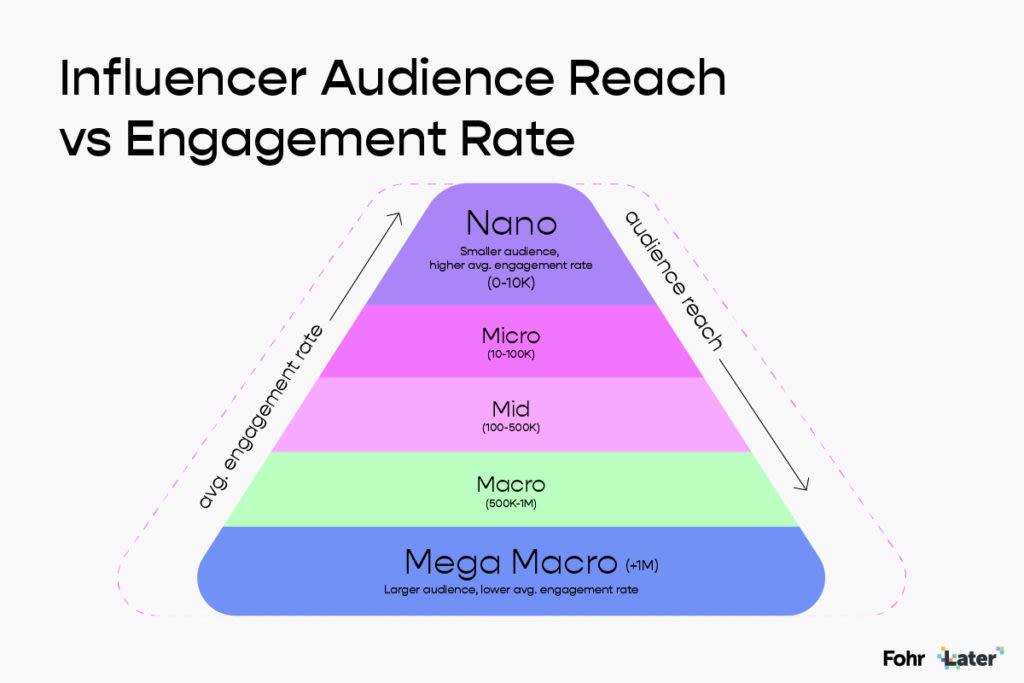
Micro-influencers have carved out a unique niche on TikTok, leveraging their authenticity and relatability to create a deep connection with their followers. These creators typically boast smaller but highly engaged audiences, often ranging from 1,000 to 100,000 followers. This affinity allows them to introduce trends and products in a way that resonates more personally with viewers. Their content often has a grassroots quality, making it feel less commercialized and more like a genuine recommendation, which can lead to higher engagement rates as followers trust their opinions.
The influence of micro-influencers is evident in various aspects of TikTok culture. Here are some key factors that highlight their role in trend creation:
- Authenticity: Their genuine approach fosters trust and cultivates a loyal community.
- Niche Expertise: Many micro-influencers focus on specific topics, giving them authority in particular areas.
- Engagement Rates: They often have higher engagement rates compared to larger influencers, driving more conversation around new trends.
- Trend Experimentation: Micro-influencers are often more willing to take risks with content, leading to innovative trends.
To understand the significant impact of micro-influencers on TikTok, consider the following table showcasing the differences in engagement levels compared to larger influencers:
| Influencer Type | Average Followers | Engagement Rate (%) |
|---|---|---|
| Micro-Influencer | 1,000 – 100,000 | 7% – 10% |
| Mega-Influencer | Over 1,000,000 | 1% – 3% |
This table illustrates how micro-influencers can significantly impact engagement and trend popularity, showcasing their essential role in the dynamic world of TikTok. As brands aim for meaningful connections with audiences, collaborating with these creators offers a pathway to cultivating authentic relationships and driving trends that resonate deeply with followers.
Understanding Audience Engagement Through Micro-Influencer Campaigns
In recent years, brands have begun to recognize the *unique advantages* of collaborating with micro-influencers, particularly on platforms like TikTok. Unlike their mega-counterparts, micro-influencers often possess highly engaged audiences that trust their opinions and recommendations. This personalized connection translates into higher engagement rates, as followers view micro-influencers as relatable figures rather than distant celebrities. With their niche focus, micro-influencers can effectively engage specific target demographics, allowing brands to tailor their messaging and campaigns to resonate authentically.
Furthermore, the effectiveness of micro-influencer campaigns can be demonstrated through several key metrics that highlight their impact on audience engagement:
| Metric | Micro-Influencer Impact |
|---|---|
| Engagement Rate | Higher than 2% average |
| Conversion Rate | Up to 6x higher than traditional ads |
| Trust Level | 85% of followers trust their recommendations |
These metrics not only reflect the potential for expanded reach but also demonstrate how *genuine interactions* foster loyalty and community around a brand. As TikTok trends continue to evolve, brands that leverage the authenticity and creativity of micro-influencers will likely secure a competitive edge in the digital marketing landscape.
Best Practices for Brands Collaborating with Micro-Influencers
Collaborating with micro-influencers can be a game-changer for brands looking to leverage authentic and relatable content. To maximize the effectiveness of these partnerships, brands should focus on the following practices:
- Authenticity is Key: Choose micro-influencers whose values align with your brand mission. This ensures that the collaboration feels organic and resonates with their audience.
- Encourage Creative Freedom: Allow influencers to present your product in their unique style. This fosters genuine enthusiasm and creates content that feels more personal.
- Engagement Over Reach: Prioritize influencers who have high engagement rates over those with larger followings. Micro-influencers often foster tighter-knit communities, leading to better interaction with sponsored content.
Moreover, establishing clear communication and guidelines can enhance the collaboration experience. Here’s what to consider:
| Aspect | Best Practice |
|---|---|
| Content Guidelines | Share your brand’s voice and style, but allow flexibility. |
| Performance Metrics | Define KPIs early on to track the campaign’s success. |
| Feedback Loop | Encourage ongoing dialogue to refine strategies. |
Measuring Success: Key Metrics and Tools for Evaluating Impact on TikTok
To effectively gauge the influence of micro-influencers on TikTok trends, it’s crucial to monitor specific metrics that provide insight into engagement and reach. Some key metrics to consider include:
- Engagement Rate: This measures the level of interaction (likes, shares, comments) a post receives relative to its reach, providing insight into the influencer’s ability to resonate with their audience.
- Follower Growth: Tracking how quickly an influencer’s follower count increases can indicate their rising popularity and the effectiveness of their content strategies.
- Video Views: High view counts on videos suggest successful delivery of engaging content, showcasing the influencer’s reach.
Utilizing analytical tools can also enhance the evaluation process. Platforms such as TikTok Analytics and third-party applications like Hootsuite or Sprout Social equip brands with detailed insights into performance metrics. Consider the following comparison of popular tools:
| Tool | Key Features | Best For |
|---|---|---|
| TikTok Analytics | Built-in performance metrics, follower insights | Direct insights from TikTok platform |
| Hootsuite | Cross-platform social media management | Outdoor performance analysis |
| Sprout Social | Comprehensive reporting tools | Detailed audience analytics |
In Summary
As we’ve explored throughout this article, the rise of micro-influencers on TikTok is not just a fleeting trend; it’s a significant shift in the way brands engage with audiences in the ever-evolving landscape of social media marketing. With their authentic voices, niche followings, and highly relatable content, micro-influencers are proving to be formidable forces in shaping trends and driving consumer behavior.
As we move forward, it will be fascinating to observe how brands continue to adapt their strategies to leverage these influencers effectively. Whether you’re a marketer, a budding creator, or simply an avid TikTok user, understanding this dynamic can provide valuable insights into the future of digital engagement.
In this new era of influence, where every account can have a substantial impact, it’s clear that the power of connection resides not only with the mega-stars but also with those who resonate deeply within smaller communities. So, as TikTok continues to evolve, keep an eye on the micro-influencers; they may just hold the key to the next big trend. Thank you for reading, and we encourage you to share your thoughts on the influence of micro-influencers in the comments below!