
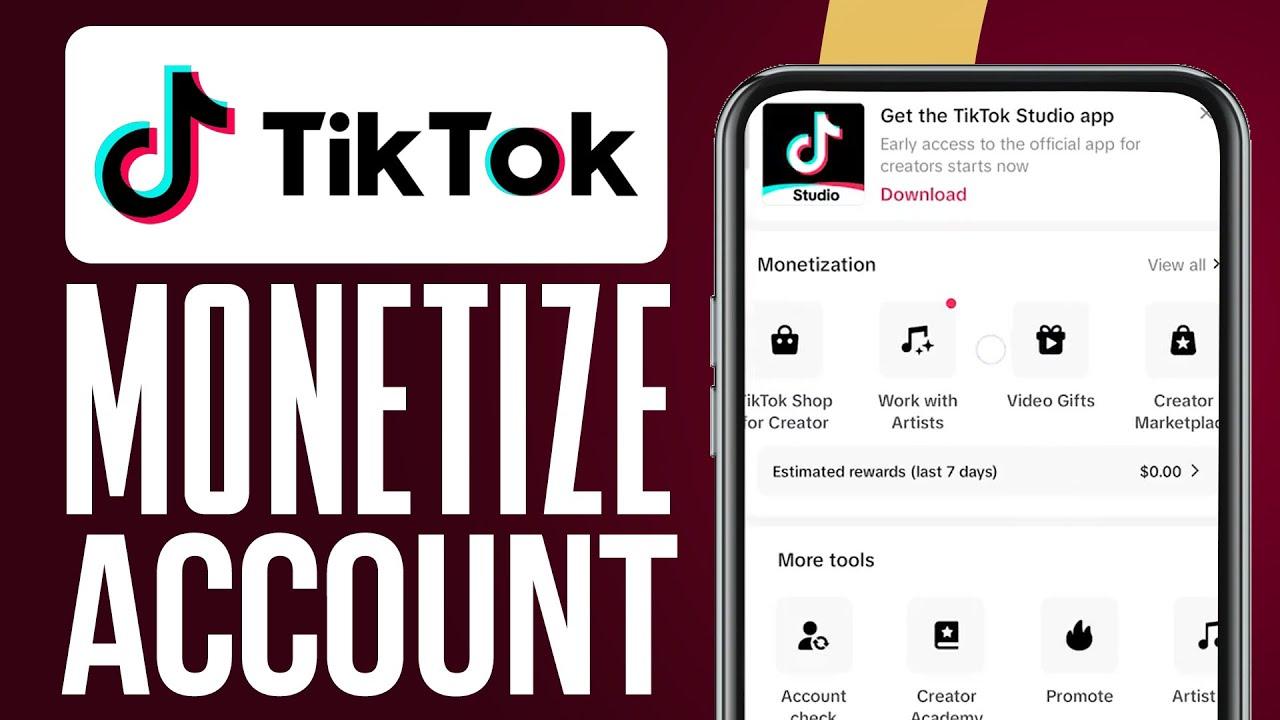
In the rapidly evolving landscape of digital content creation, two platforms have emerged as titans, capturing the attention of millions and redefining how creators engage with their audiences: TikTok and YouTube. While both platforms offer unique avenues for expression and reach, they diverge significantly in their monetization strategies, presenting distinct opportunities and challenges for content creators. This article delves into the nuances of monetization on TikTok and YouTube, comparing their advertising models, revenue-sharing practices, and creator support systems. By examining these aspects, we aim to provide a comprehensive understanding of how each platform enables creators to turn their passion into profit, ultimately guiding aspiring influencers and established content creators alike in making informed decisions about where to invest their time and resources.
Table of Contents
- TikTok Monetization Methods Compared to YouTubes Revenue Streams
- Evaluating Audience Engagement and Retention Strategies on TikTok and YouTube
- Exploring Content Creation Dynamics: Short-Form Versus Long-Form Video Monetization
- Maximizing Revenue Potential: Best Practices for Creators on Each Platform
- Future Outlook
TikTok Monetization Methods Compared to YouTubes Revenue Streams
When it comes to monetization, TikTok and YouTube have developed distinct strategies that appeal to different types of creators and audiences. TikTok’s main monetization methods focus on creativity and brevity, harnessing the power of short-form video content. Some common methods include:
- TikTok Creator Fund: A program that compensates creators based on the engagement their videos receive.
- Brand Partnerships: Collaborations between creators and brands for sponsored content.
- Live Gifts: Viewers can purchase virtual gifts for their favorite creators during live streams, which can be converted into real money.
- Affiliate Marketing: Creators can earn commissions by promoting products and sharing affiliate links.
Conversely, YouTube offers a more diverse set of revenue streams, catering to both long-form content and a broader audience reach. The most notable monetization options include:
- Ad Revenue: Creators earn money through Google AdSense for ads shown during and before their videos.
- YouTube Premium Revenue: Earnings from users subscribed to YouTube Premium who watch a creator’s content.
- Channel Memberships: Viewers can become members for exclusive perks, providing creators with a steady income.
- Merchandise Shelf: Integration of product promotions directly under videos for easy shopping access.
Below is a simple comparison of the revenue opportunities available on both platforms:
| Monetization Method | TikTok | YouTube |
|---|---|---|
| Ad Revenue | No | Yes |
| Creator Fund | Yes | No |
| Brand Partnerships | Yes | Yes |
| Subscriptions/Memberships | No | Yes |
| Merchandise Integration | No | Yes |
Evaluating Audience Engagement and Retention Strategies on TikTok and YouTube
Understanding how audiences engage with content on TikTok and YouTube is crucial for maximizing monetization opportunities on both platforms. TikTok thrives on short, snappy videos that encourage high levels of interaction, making use of features like comments, duets, and stitches to create a community-centric environment. This rapid content cycle allows creators to leverage trends easily, attract views quickly, and keep their audience engaged for longer periods through consistent posting. In contrast, YouTube favors longer-form content that lends itself to comprehensive storytelling and in-depth analysis. Once a viewer subscribes, the likelihood of them returning increases, as they develop a deeper connection with the content creator over time. This episodic nature encourages creators to focus on quality and substance, which can yield higher retention rates and a more loyal audience base.
Moreover, engagement metrics differ significantly between the two platforms. On TikTok, virality can be instantaneous, yet sustaining engagement can be challenging due to the ephemeral nature of content consumption. Key strategies include:
- Consistent Posting: Engaging with trending challenges and hashtags.
- Community Features: Leveraging comments and duets to foster interaction.
- Viral Hooks: Crafting captivating openings for quick viewer retention.
Alternatively, YouTube benefits from a well-established algorithm that rewards longer viewer durations and interactions over time. Creators often utilize:
- High-Quality Thumbnails: To enhance click-through rates.
- Engaging Titles: To create curiosity and invite views.
- YouTube Playlists: To keep viewers watching related content in succession.
Exploring Content Creation Dynamics: Short-Form Versus Long-Form Video Monetization
When comparing the monetization potential of short-form and long-form video content, it’s essential to recognize the unique strengths and audience engagement strategies inherent to each platform. TikTok, known for its short and catchy videos, emphasizes rapid viewer retention and viral growth. Creators can monetize their content through various means such as the Creator Fund, brand partnerships, and live streaming gifts. The dynamic nature of TikTok ensures that even emerging creators can capture significant attention quickly, as their content can easily go viral, leading to fast-tracked monetization opportunities. However, this rapid consumption often means lower average earnings per view compared to long-form platforms.
On the other hand, YouTube offers robust monetization channels for longer content formats, allowing creators to delve deeper into subjects, foster audience loyalty, and build communities over time. The platform provides opportunities such as AdSense, paid subscriptions, and merchandise shelf options that can lead to higher overall earnings. YouTube’s content algorithm tends to favor watch time and engagement metrics, rewarding creators who produce informative or entertaining long-form videos. As a result, while the initial viewer attraction may require more effort and time commitment, the monetization potential can be significantly higher in the long run due to the diversified income streams available to long-form content creators.
Maximizing Revenue Potential: Best Practices for Creators on Each Platform
When considering monetization opportunities, TikTok and YouTube present distinct pathways that cater to various creator strategies. TikTok operates primarily on a short-form video format that thrives on virality and engagement. Creators can leverage the TikTok Creator Fund, which pays users based on video views, but it typically yields modest payouts. Additionally, brands frequently scout for partnerships, leading to sponsored content deals that can significantly boost revenue. In contrast, YouTube offers a multifaceted approach through its YouTube Partner Program, enabling creators to earn from ads, channel memberships, and Super Chats during live streams. This diverse monetization model means that established creators can generate substantial income through well-crafted videos that maximize viewer retention and ad engagement.
To enhance revenue potential on TikTok, creators should focus on the following best practices:
- Engage with trends and challenges to enhance visibility.
- Utilize the “Link in Bio” feature for affiliate marketing.
- Establish a niche to attract a loyal audience base.
Conversely, YouTube creators can optimize their earnings by:
- Creating longer videos to increase ad placements.
- Utilizing SEO tactics to enhance discoverability.
- Building a consistent upload schedule to maintain audience engagement.
Future Outlook
both TikTok and YouTube present unique monetization opportunities that cater to diverse strategies and audience engagement. While TikTok’s short-form content fosters rapid viral trends and fosters a more spontaneous connection with audiences, YouTube’s long-form content allows for deeper storytelling and sustained viewer loyalty.
Content creators must weigh their preferences and strengths against each platform’s distinctive advantages. TikTok offers the allure of immediacy and quick financial returns, appealing to those willing to capitalize on trends and engage in a more dynamic content landscape. Conversely, YouTube continues to provide a robust infrastructure for building a brand, generating substantial ad revenue, and leveraging affiliate marketing opportunities over time.
As the digital landscape continues to evolve, understanding the nuances of each platform will be crucial for creators seeking to maximize their earning potential. Ultimately, the choice between TikTok and YouTube will depend on creators’ individual goals, content styles, and target audiences, making it essential to weigh these factors thoughtfully in their strategic planning. Both platforms are set to expand their monetization features further, and staying informed will be key for those looking to thrive in this competitive environment.