
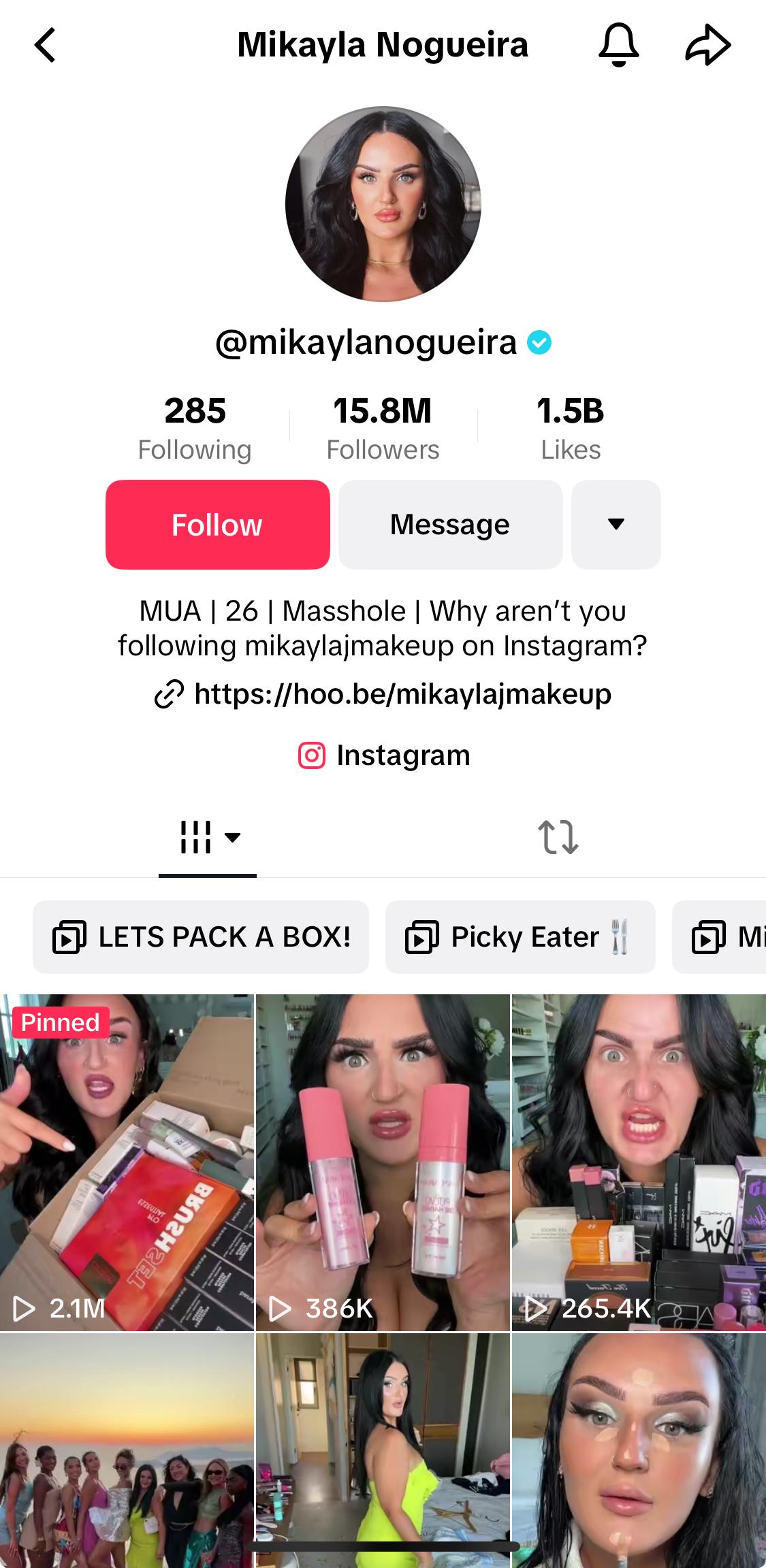
In the rapidly evolving landscape of social media, TikTok has emerged as a formidable player, captivating audiences with its short, dynamic videos that blend entertainment and creativity. As the platform continues to grow, so too does the potential for its users to transform their passion for content creation into a lucrative source of income. TikTok influencers, in particular, have harnessed the power of their engaging content to unlock significant revenue streams through various monetization strategies. From brand partnerships to in-app features, the ways in which these creators capitalize on their influence provide valuable insights into the future of social media economics. In this article, we will explore the diverse methods TikTok influencers employ to monetize their content, shedding light on the complexities and opportunities that come with this digital phenomenon. Whether you’re an aspiring influencer or simply curious about the mechanics of social media monetization, this guide offers a closer look at how creativity can lead to financial success on one of the world’s most popular platforms.
Table of Contents
- Understanding the TikTok Influencer Ecosystem
- Strategies for Effective Brand Collaborations
- Leveraging Affiliate Marketing and Product Promotions
- Building a Sustainable Revenue Stream with Diverse Content Types
- Concluding Remarks
Understanding the TikTok Influencer Ecosystem
The TikTok influencer landscape is a vibrant and dynamic world where creativity meets commerce. Influencers harness their unique styles and personalities to cultivate engaged followings, creating spaces where brands can connect with target demographics. In this ecosystem, influencers fall into various categories based on their audience size, engagement rates, and niche interests. Some may be considered micro-influencers, with 1,000 to 100,000 followers, while others may have millions. Regardless of their size, these influencers employ various strategies to monetize their content effectively.
Collaboration is at the heart of this ecosystem. Influencers typically engage in several monetization methods, including:
- Sponsorships: Partnering with brands for paid promotions or product placements.
- Affiliate marketing: Earning commissions by promoting products and sharing unique discount codes.
- Merchandising: Selling their own branded products directly to followers.
- Live broadcasts: Generating revenue through fan virtual gifts during live streams.
| Influencer Type | Audience Size | Average Earnings |
|---|---|---|
| Micro-Influencers | 1,000 – 100,000 | $100 – $1,000 per post |
| Mid-Tier Influencers | 100,000 – 1 million | $1,000 – $10,000 per post |
| Macro Influencers | 1 million+ | $10,000+ per post |
Strategies for Effective Brand Collaborations
Creating successful partnerships demands careful planning and strategic execution. When brands collaborate with influencers, they should align their goals and values to ensure a cohesive message. Here are some essential methods for effective collaborations:
- Identify Complementary Brands: Seek partnerships with brands that share a similar target audience but do not directly compete. This synergy can amplify visibility and engagement.
- Co-Create Unique Content: Instead of standard promotional material, work together to develop engaging content that reflects both brands’ identities. This could range from joint challenges to uniquely themed videos.
- Leverage Influencer Creativity: Allow influencers the freedom to present your brand in their own style. This authenticity resonates more profoundly with their followers and enhances overall brand perception.
Moreover, setting clear expectations from the outset will pave the way for smoother collaboration. Companies should outline key performance metrics and platforms for evaluating success, while ensuring that influencers feel supported throughout the process. Consider these additional practices:
- Define Roles and Responsibilities: Clearly outline what each party will bring to the table, fostering a sense of ownership and accountability.
- Establish Communication Channels: Utilize direct and effective communication tools, maintaining an open dialogue throughout the collaboration.
- Monitor and Adjust: Track the performance of collaborative posts in real-time, allowing for adjustments as needed to maximize impact.
Leveraging Affiliate Marketing and Product Promotions
TikTok influencers have discovered that affiliate marketing is one of the most effective tools for monetizing their growing audiences. By partnering with brands or joining affiliate networks, they can create content that promotes specific products, earning a commission for each sale generated through their referral links. Influencers seamlessly integrate product showcases into their videos, providing a persuasive yet entertaining experience for their viewers. For instance, they might demonstrate how to use a beauty product or share their favorite fashion items, encouraging followers to make purchases directly through their links. This approach not only benefits the influencers financially but also provides value to their audience by highlighting products they genuinely recommend.
In addition to affiliate marketing, product promotions play a significant role in revenue generation. Brands often collaborate with influencers to launch promotional campaigns that include special discounts, exclusive launches, or giveaways. These promotions create a sense of urgency and excitement among followers, driving sales and boosting brand visibility. Influencers leverage their creativity to craft engaging content that resonates with their audience while effectively showcasing the products. This symbiotic relationship enhances brand loyalty and amplifies audience engagement, paving the way for long-term partnerships and more significant revenue opportunities. The power of TikTok lies in its ability to foster genuine connections, making it an ideal platform for these marketing strategies.
Building a Sustainable Revenue Stream with Diverse Content Types
To effectively build a sustainable revenue stream, TikTok influencers leverage a variety of content types that not only engage their audience but also attract lucrative opportunities. By diversifying their content, these creators can appeal to different demographics, maximize their reach, and enhance viewer loyalty. Popular content types include:
- How-To Videos: Educational snippets that guide viewers on specific skills or topics.
- Challenges: Fun, interactive challenges that encourage audience participation.
- Behind-the-Scenes: Personal insights that build authenticity and strengthen connections with followers.
- Product Reviews: Honest evaluations that can drive affiliate marketing revenues.
This variety not only attracts diverse audiences but also opens avenues for collaborations and sponsorships. By strategically planning their content calendar, influencers can incorporate timely trends and seasonal topics, ensuring that their output remains relevant and engaging. Additionally, utilizing data analytics allows influencers to track which types of content generate the most engagement, thereby refining their approach. The following table provides an overview of monetization strategies based on content type:
| Content Type | Monetization Strategy |
|---|---|
| How-To Videos | Sponsored tutorials and product placements |
| Challenges | Brand partnership opportunities and giveaways |
| Behind-the-Scenes | Exclusive content subscriptions and Patreon links |
| Product Reviews | Affiliate marketing and commission-based sales |
Concluding Remarks
the world of TikTok influencer marketing presents a unique and dynamic opportunity for creators and brands alike to unlock significant revenue streams. By understanding the various monetization strategies—ranging from brand partnerships and affiliate marketing to merchandise sales and live-stream gifts—content creators can not only amplify their earning potential but also build meaningful connections with their audiences. As the platform continues to evolve, staying informed about trends and leveraging the right techniques will be essential for both established and aspiring influencers. Whether you’re a brand looking to engage with TikTok’s vibrant community or a creator aiming to turn your passion into profit, the keys to success lie in creativity, authenticity, and a keen understanding of your audience. Remember, the journey toward monetization is a continuous learning process, and those who adapt will undoubtedly thrive in this exciting digital landscape.