
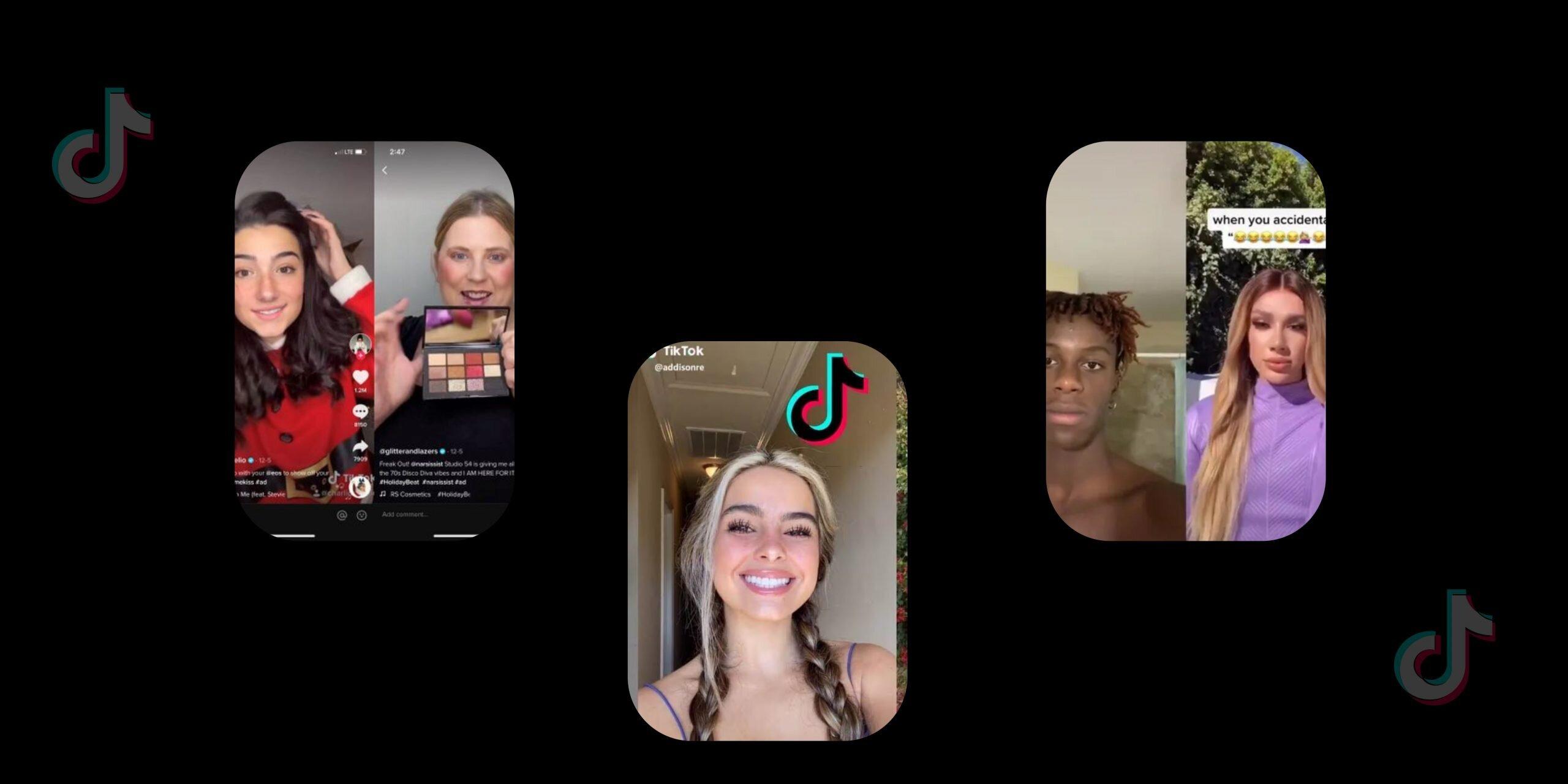
In recent years, the influence of social media platforms has transcended entertainment, evolving into a potent tool for education. Among these platforms, TikTok has emerged as a unique player, capturing the attention of millions with its bite-sized content and creative formats. While typically associated with dance challenges and viral trends, TikTok is increasingly becoming a space where knowledge is shared, concepts are simplified, and learning is reimagined. As TikTok influencers harness their popularity to educate, we must examine their role in modern education. From facilitating study tips to explaining complex theories in engaging ways, these influencers are shaping how we perceive learning in the digital age. In this article, we will explore the impact and effectiveness of TikTok influencers in the educational landscape today, highlighting both the opportunities and challenges they present.
Table of Contents
- Understanding the Impact of TikTok Influencers on Learning Engagement
- Promoting Positive Educational Content Through TikTok Platforms
- Strategies for Educators to Collaborate with TikTok Creators
- Measuring the Effectiveness of TikTok as an Educational Tool
- Concluding Remarks
Understanding the Impact of TikTok Influencers on Learning Engagement
In the digital age, where attention spans are increasingly short, TikTok influencers have emerged as transformative figures in the educational landscape. Their ability to convey complex topics in a digestible format has significant implications for learning engagement. Through short, visually engaging videos, these influencers create a sense of community among learners, encouraging active participation and curiosity. By using trends and relatable content, educators and students alike can leverage TikTok as a powerful tool for knowledge sharing and peer-to-peer interaction. This approach not only keeps the material fresh but also infuses a sense of fun into the learning process, making education more accessible to a broader audience.
Moreover, TikTok serves as a platform for diverse voices, allowing influencers from various backgrounds to share unique perspectives on academic subjects. This diversity can lead to the following benefits in educational engagement:
- Enhanced Motivation: Students may feel inspired by relatable role models.
- Varied Learning Styles: Content tailored to different preferences can resonate with more learners.
- Real-World Connections: Challenges and successes shared by influencers can make lessons feel relevant.
To further illustrate this impact, consider the following table showcasing popular subjects among TikTok influencers and their engagement metrics:
| Subject | Average Likes | Average Shares |
|---|---|---|
| Science Experiments | 12,000 | 3,000 |
| Mathematics Tutorials | 8,500 | 1,500 |
| Language Learning Tips | 15,000 | 4,200 |
Promoting Positive Educational Content Through TikTok Platforms
As TikTok continues to shape the way information is consumed, educational influencers harness the platform’s viral potential to spread knowledge and inspire learning. These creators utilize creative formats, including short videos, catchy music, and engaging visuals, to make complex subjects approachable and enjoyable. Platforms like TikTok not only allow for diverse educational content but also encourage peer-to-peer learning where viewers can engage in discussions, ask questions, and share ideas. Notably, the following strategies enhance the impact of educational content on TikTok:
- Relatable Content: Influencers often draw from personal experiences, making subjects like math, science, or history more relatable.
- Interactive Learning: Many creators incorporate challenges or prompts, encouraging users to participate actively rather than passively consuming content.
- Visual Aids: Use of infographics and animations aids comprehension and retention of information.
Moreover, TikTok’s unique algorithm promotes personalized content, increasing the reach of impactful educational influencers. By providing short, digestible lessons that cater to varying learning styles, these creators bridge the gap between traditional education and modern methods. The effectiveness of this trend can be observed in the growing popularity of specific subjects on the platform, showcasing how influencer-led initiatives can reshape educational norms:
| Subject Area | Popularity Indicator | Key Influencers |
|---|---|---|
| Math | Over 1M views on trending videos | @MathWithMaddie |
| History | 40K+ followers for daily facts | @HistoryIn5 |
| Science | Tens of thousands of shares for experiments | @ScienceSassy |
Strategies for Educators to Collaborate with TikTok Creators
In an age where digital content reigns supreme, educators have the unique opportunity to harness the influence of TikTok creators to enhance learning experiences. By engaging with these creators, teachers can infuse their lesson plans with fresh perspectives and interactive elements that resonate with today’s digital-savvy students. Collaborating with TikTok influencers can also help to demystify complex subjects, enabling them to present educational content in short, digestible clips that are perfect for maintaining attention in a fast-paced environment. Here are some effective ways to facilitate this collaboration:
- Co-create content: Partner with creators to develop TikToks related to curriculum topics.
- Host challenges or trends: Create educational challenges that encourage student participation in fun ways.
- Utilize live sessions: Organize live Q&A sessions with creators to discuss subject matter and engage students.
Additionally, educators can build networks with influencers who specialize in niche areas relevant to their curriculum. This targeted approach not only supports subject matter expertise but also fosters a sense of community among student audiences. Establishing relationships with these creators can result in the development of customized content that meets specific learning objectives. Consider the following table demonstrating various TikTok niches and potential educational collaborations:
| Content Niche | Collaboration Idea |
|---|---|
| Science Experiments | Curate experiments that students can replicate at home. |
| History Storytelling | Create short narratives about historical events or figures. |
| Math Tips | Develop quick problem-solving techniques using trends. |
Measuring the Effectiveness of TikTok as an Educational Tool
The effectiveness of TikTok as an educational tool can be gauged through several metrics that highlight its impact on learning. First and foremost, engagement rates are a critical factor; content that resonates with viewers typically leads to higher retention of information. When influencers distill complex subjects into digestible snippets, learners often find themselves more inclined to explore these topics in depth. This can result in a significant increase in curiosity among users, particularly when the information is presented in an entertaining manner.
Another important aspect to consider is the diversity of content that TikTok provides, catering to different learning styles. For instance, visual learners benefit from engaging visuals and demonstrations, while auditory learners can absorb information from spoken explanations and sound effects. A recent survey revealed that a staggering percentage of users (over 70%) feel that TikTok has enhanced their understanding of subjects. Below is a table showcasing the various factors that contribute to TikTok’s effectiveness in education:
| Factor | Impact |
|---|---|
| Engagement Rates | Higher retention of knowledge |
| Diverse Learning Styles | Accommodates visual and auditory learners |
| Short Content Format | Quick consumption and information absorption |
| Community Feedback | Encourages peer learning and critiques |
Concluding Remarks
the rise of TikTok influencers has undoubtedly reshaped the landscape of education in unique ways. While they offer innovative methods to engage with learners, promote accessibility, and provide relatable content, it is essential to approach this phenomenon with a balanced perspective. As educators, students, and parents navigate this new digital terrain, a critical examination of the impact and effectiveness of TikTok as an educational tool is necessary.
As we continue to explore how social media, particularly platforms like TikTok, influences learning and teaching, it is important to foster open dialogues about its benefits and potential drawbacks. Embracing diverse educational resources can enhance learning experiences, but we must also ensure that the information shared is accurate and responsibility-driven.
Ultimately, TikTok influencers can play a significant role in education, bridging gaps and making learning more engaging for today’s generation. By integrating these modern forms of communication into traditional educational frameworks, we can harness the power of social media to inspire curiosity and empower students in their educational journeys. As the digital landscape evolves, so too will the role of influencers, and it’s up to us to ensure that this evolution serves the best interests of learners everywhere.