
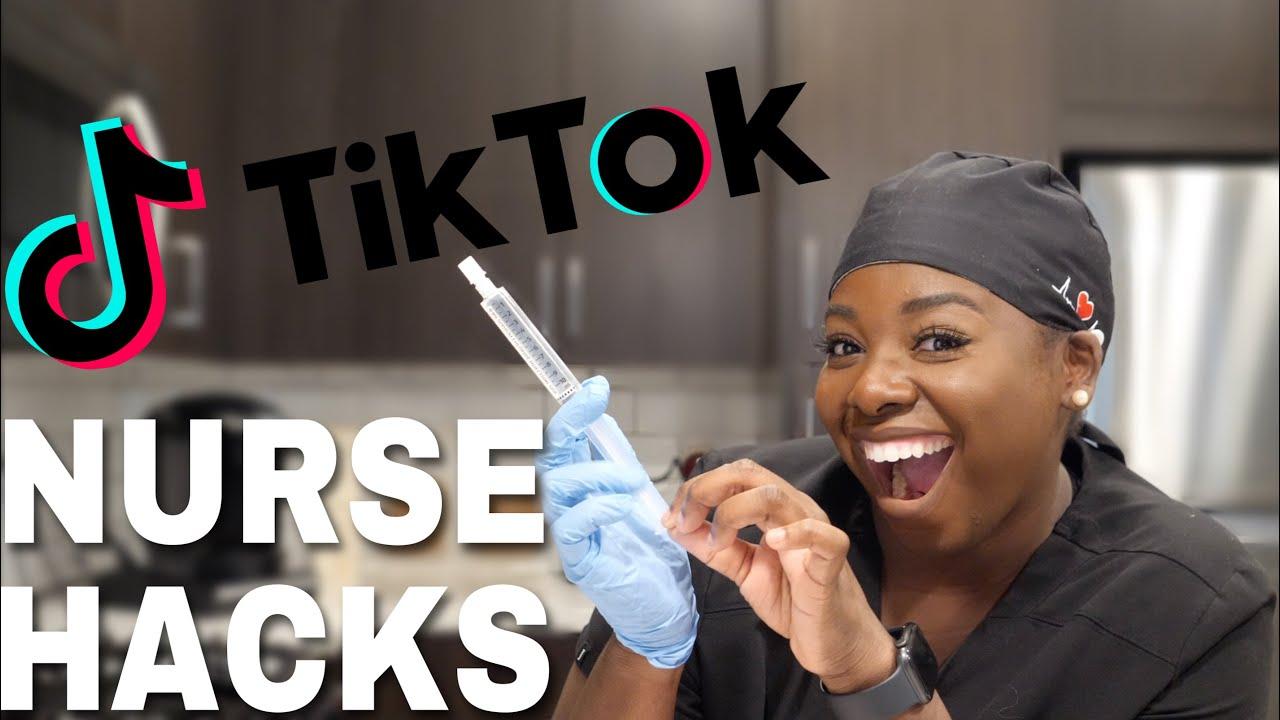
In recent years, TikTok has transformed from a platform primarily known for dance challenges and viral trends to a burgeoning hub for health-related content. As millions of users flock to this social media platform, a new phenomenon has emerged: the proliferation of health hacks and wellness tips presented in short, digestible videos. Ranging from quick fitness routines and nutritional hacks to mental health strategies and skincare advice, these snippets of information have captured the attention of diverse audiences. While the appeal of TikTok health content lies in its accessibility and entertainment value, experts warn of the potential risks associated with self-diagnosis and unverified claims. This article delves into the rise of health-centric TikTok trends, examining their impact on public perceptions of wellness and the importance of discerning fact from fiction in a digital age flooded with information.
Table of Contents
- The Rise of TikTok Health Hacks and Their Impact on Wellness Culture
- Evaluating the Credibility of Health Information Shared on TikTok
- Navigating Popular Health Trends: What Works and What Doesnt
- Expert Recommendations for Safe Engagement with TikTok Health Content
- The Conclusion
The Rise of TikTok Health Hacks and Their Impact on Wellness Culture
The rapid proliferation of TikTok as a social media platform has given birth to a new wave of health hacks that have captivated millions. With its short, engaging videos, TikTok enables users to share quick tips on everything from nutrition to mental well-being, leading to an unprecedented democratization of health advice. Creative users are leveraging the platform to promote healthy eating, exercise hacks, and mindfulness techniques, often accompanied by catchy trends that make these concepts more accessible. The virality of certain hacks can quickly shape wellness culture, as TikTok’s algorithm promotes content based on popularity rather than scientific accuracy, raising concerns about the reliability of the information being widely shared.
While some TikTok health hacks have proven to provide users with practical advice or motivate lifestyle changes, others may perpetuate misconceptions or fads that can be counterproductive. In navigating this burgeoning landscape, users are encouraged to critically assess the credibility behind these trends and seek reliable sources for their health decisions. To provide a clearer perspective, here’s a concise overview of the most viral TikTok health hacks and their implications:
| Health Hack | Potential Benefits | Risks |
|---|---|---|
| Detox Water Recipes | Increased hydration; Encourages fruit intake | May encourage excessive detoxing Could mislead on health benefits |
| 10-Minute Workouts | Convenient; Promotes physical activity | May not be effective for all fitness levels Risk of injury without proper technique |
| DIY Skincare Routines | Cost-effective; Natural ingredient exploration | Possible allergic reactions Could worsen skin conditions |
Evaluating the Credibility of Health Information Shared on TikTok
As TikTok continues to dominate social media, the platform has become a hotspot for health-related content, attracting millions of viewers eager for quick tips and hacks. However, the challenge lies in evaluating the credibility of this information. Users should be mindful of several key factors when assessing the validity of health advice on the platform:
- Source Credibility: Check if the creator has relevant qualifications or expertise in the health field they are discussing.
- Evidence and References: Look for information that is backed by scientific studies or reputable sources. Claims should ideally be supported by external links or references.
- Community Feedback: Pay attention to user comments and discussions surrounding the video, as they can often provide additional insights or highlight misinformation.
- Cross-Verification: Whenever possible, verify the information through trusted health websites or by consulting healthcare professionals.
Transparency in sponsorship is another important aspect, especially as influencers often partner with brands. It’s vital to discern whether content is created for genuine informational purposes or driven by marketing agendas. Readers should remain vigilant against trending topics that may lack scientific backing, as sensationalism can lead to the spread of misinformation. Establishing a discerning approach will empower users to distinguish between safe, practical advice and unsupported claims.
| Factor | What to Look For |
|---|---|
| Source Credibility | Qualifications and Professional Background |
| Evidence | References to Scientific Research |
| Community Feedback | User Comments and Engagement |
| Cross-Verification | Consult Reputable Health Sites |
Navigating Popular Health Trends: What Works and What Doesnt
The rise of TikTok has brought an influx of health-related content that captivates millions, often blurring the lines between credible advice and mere social media trends. While some users share innovative tips that promote better health practices, others propagate misinformation that could potentially lead to harmful consequences. Common themes include dietary hacks, fitness challenges, and quick remedies for common ailments. For instance, trending diets like intermittent fasting and “clean eating” have gained traction, but the effectiveness and sustainability of these approaches can vary significantly depending on individual health needs and lifestyles.
Moreover, the viral nature of TikTok creates a pressure cooker effect, where users feel compelled to adopt new trends without thorough research or consultation with health professionals. Here are some concerning trends to keep an eye on:
- Extreme Diets: Quick fixes such as detox teas and juice cleanses promise rapid weight loss, but often lead to nutritional deficiencies.
- Fitness Challenges: Intense workout routines may not cater to all fitness levels, risking injuries among beginners.
- Herbal Remedies: Popularity does not equal safety; many users overlook potential side effects and interactions with medications.
| Trend | What Works | What Doesn’t |
|---|---|---|
| Diverse Diets | Incorporating a variety of whole foods | Restrictive diets lacking crucial nutrients |
| Short Workouts | High-Intensity Interval Training (HIIT) | Skimpy routines that neglect muscle groups |
| Mindfulness Practices | Meditation and yoga | Ignoring mental health issues while focusing solely on physical wellness |
Expert Recommendations for Safe Engagement with TikTok Health Content
As the popularity of TikTok continues to rise, so does the accessibility of health-related information on the platform. However, consumers should approach these videos with a critical eye. Expert guidance suggests verifying the credentials of the content creators, as not all of them are qualified professionals. Before adopting any health tips or hacks found on TikTok, consider these recommendations:
- Cross-check information with reputable sources, such as healthcare organizations or peer-reviewed studies.
- Consult with healthcare professionals before making significant lifestyle changes based on TikTok content.
- Be wary of trends that promise miraculous results or quick fixes without scientific backing.
In addition to verifying information, it is essential to be aware of personal health circumstances before implementing any advice. Some TikTok recommendations may not be suitable for everyone and can lead to unintended consequences. To further ensure safety, engage with platforms that provide clear disclaimers about the general nature of the content. Here’s a simple table that highlights key factors to consider:
| Factor | Description |
|---|---|
| Expertise | Look for creators with verified health credentials. |
| Source | Validate against trusted health organizations. |
| Personalization | Evaluate if the advice is suitable for your unique health profile. |
The Conclusion
As TikTok continues to evolve into a platform not just for entertainment but also for education and lifestyle enhancement, the surge of health hacks and tips has sparked both enthusiasm and caution among users. While many find valuable insights that inspire healthier choices and innovative solutions to everyday issues, it is essential to approach this grassroots movement with a discerning eye. The blend of anecdotal evidence and trending advice raises questions about the reliability and safety of these widely shared tips. As this phenomenon grows, the importance of consulting healthcare professionals and relying on scientifically-backed information becomes increasingly vital. Ultimately, staying informed and critical can help users navigate the dynamic landscape of TikTok health content effectively, ensuring that their health journey is both enjoyable and safe.