
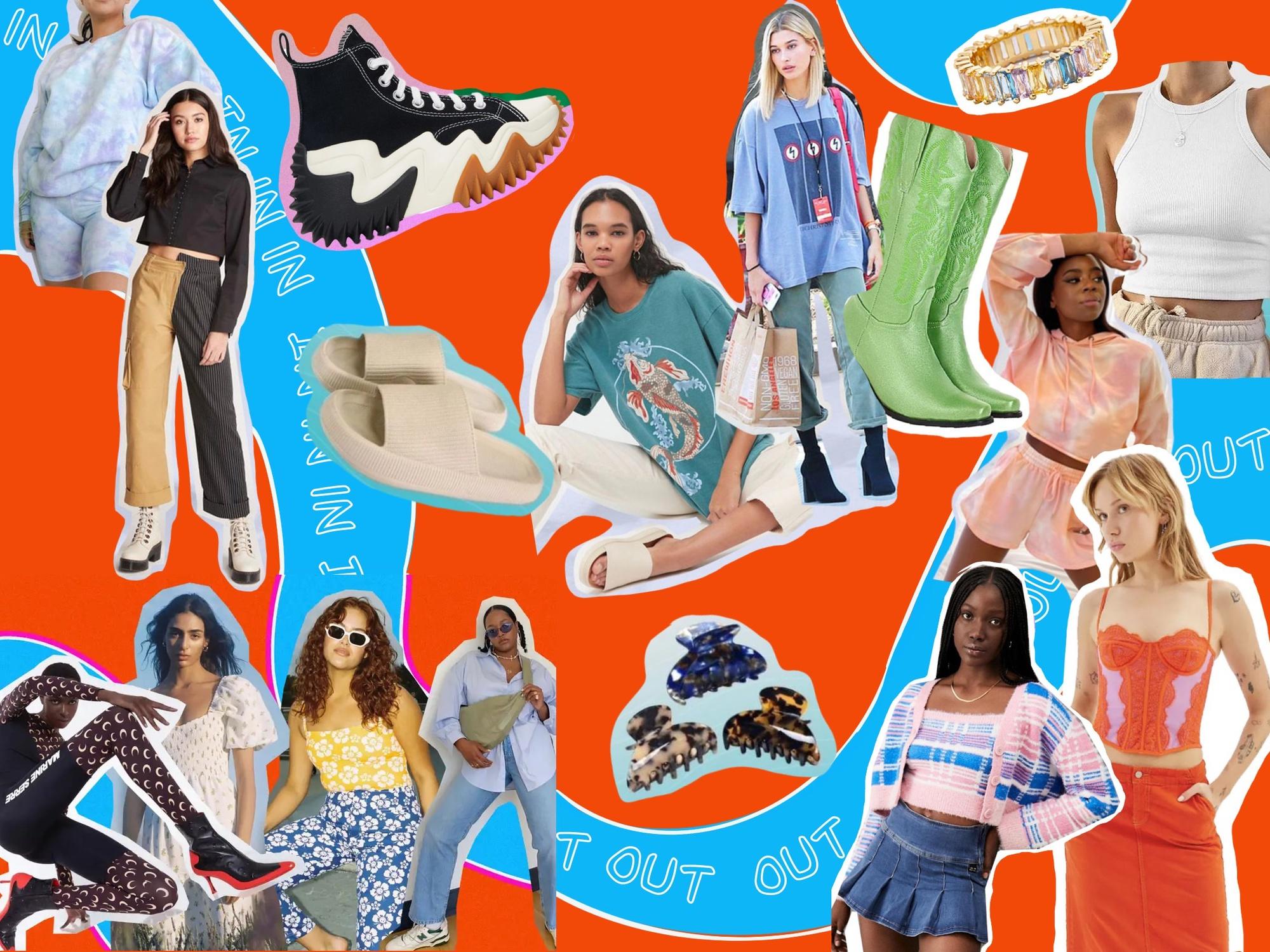
In recent years, TikTok has emerged as a powerful platform reshaping various facets of culture, with fashion being particularly influenced by its rapid dissemination of trends and styles. From the rise of micro-trends to the resurgence of vintage aesthetics, TikTok has transformed how consumers discover, embrace, and share fashion. With its algorithm-driven content delivery, the app has given rise to a new generation of style influencers, democratizing fashion and allowing users to influence and participate in trend creation like never before. As we delve into TikTok’s impact on the fashion landscape, we will examine how the platform has redefined fashion dynamics, the role of user-generated content, and the implications for both consumers and industry stakeholders.
Table of Contents
- Understanding the Role of TikTok in Shaping Modern Fashion Trends
- Analyzing User-Generated Content and Its Influence on Brand Visibility
- The Rise of Micro-Influencers and Their Impact on Emerging Styles
- Practical Strategies for Fashion Brands to Leverage TikTok Effectively
- In Retrospect
Understanding the Role of TikTok in Shaping Modern Fashion Trends
TikTok has revolutionized how fashion trends emerge and proliferate. Unlike traditional fashion media, TikTok enables rapid dissemination of styles, allowing users to showcase their unique fashion choices through short videos. The platform’s micro-content format encourages creativity and fosters relatability, attracting millions of users to replicate viral looks. As algorithms prioritize engagement, trends can snowball overnight, leading to unexpected styles gaining popularity. This instant feedback loop empowers not only established brands but also independent creators who can showcase their designs to global audiences without the traditional barriers of entry.
Furthermore, TikTok plays a pivotal role in democratizing fashion, shifting power away from established fashion houses and elites. It highlights a diverse range of influencers who set trends based on personal aesthetics, cultural backgrounds, and everyday wear rather than haute couture. Some key trends sparked by TikTok include:
- Y2K Revival: Nostalgic aesthetics from the early 2000s have surged, featuring items like low-rise jeans and colorful accessories.
- Thrift Culture: A growing focus on sustainability has led many users to showcase thrifted outfits, reshaping consumer attitudes towards fast fashion.
- DIY Fashion: Creative hacks and tutorials have inspired users to customize and personalize their clothing, fostering individuality.
Analyzing User-Generated Content and Its Influence on Brand Visibility
User-generated content (UGC) has become a cornerstone in shaping brand visibility, particularly within the fashion industry on platforms like TikTok. As users create and share their personal style interpretations, these authentic representations resonate more powerfully with audiences than traditional advertising methods. The organic nature of UGC allows brands to harness the creativity of their consumers, providing a platform where individual expression and brand identity merge seamlessly. This interplay not only boosts engagement but also cultivates a community around shared fashion interests.
Furthermore, the impact of UGC on brand visibility is amplified by TikTok’s algorithm, which prioritizes engaging content. This leads to rapid dissemination and increased exposure. Brands can capitalize on trending hashtags and challenges to encourage participation from users, creating a feedback loop of content generation that propels visibility. The benefits of leveraging UGC include:
- Enhanced Authenticity: Customers trust peer reviews more than branded content.
- Broader Reach: User shares can exponentially increase brand exposure.
- Real-Time Feedback: Insights into consumer preferences and emerging trends.
| UGC Benefits | Impact on Fashion Brands |
|---|---|
| Authenticity | Builds customer trust and loyalty |
| Community Engagement | Fosters brand-consumer interactions |
| Trend Amplification | Accelerates the adoption of new styles |
The Rise of Micro-Influencers and Their Impact on Emerging Styles
The landscape of fashion marketing has undergone a significant transformation with the rise of micro-influencers, individuals who have established a niche within the vast expanse of social media, particularly on platforms like TikTok. Unlike their macro counterparts, micro-influencers often boast a smaller following, usually ranging from 1,000 to 100,000 followers. However, their engagement rates are typically much higher, leading to authentic connections with their audience. This authenticity not only fosters trust but also inspires a new wave of fashion trends that emerge organically and resonate strongly with consumers. As viewers aspire to replicate the styles showcased by these relatable figures, we witness the democratization of fashion, where ideas and trends can sprout from everyday people rather than just established brands.
Micro-influencers have a unique ability to spotlight emerging styles that may not yet dominate the mainstream market. They focus on delivering curated content that highlights both unique aesthetics and sustainable practices, making their recommendations more impactful. Furthermore, their commitment to niche audiences allows them to experiment with innovative fashion concepts, such as:
- Upcycled clothing
- DIY fashion hacks
- Local artisans’ work
- Inclusive sizing options
This grassroots approach to trendsetting not only influences individual fashion choices but also encourages larger brands to pivot toward more diverse and inclusive offerings, thereby reshaping the industry landscape in profound ways.
Practical Strategies for Fashion Brands to Leverage TikTok Effectively
For fashion brands looking to thrive on TikTok, authenticity is key. Users are drawn to genuine content that reflects real-life experiences. Brands should collaborate with influencers who resonate with their target audience, ensuring that any partnerships feel seamless and natural. This can mean incorporating user-generated content into the brand’s marketing strategy, showcasing real customers wearing the clothing. Moreover, participating in relevant challenges or trends can elevate visibility and create an organic engagement loop. Fashion brands should also consider the timing of their posts; identifying optimal times when their audience is most active can significantly boost engagement rates.
The use of compelling visuals is essential when creating TikTok videos. High-quality video production can help highlight the intricacies and craftsmanship of a brand’s offerings. Additionally, integrating popular music tracks can enhance the emotional connection with the audience. Brands can further diversify their content strategy by utilizing a variety of formats such as tutorials, behind-the-scenes looks, or styling tips. An effective approach may include showcasing different outfits and how they can be paired for various occasions. To streamline this strategy, brands can track their performance by utilizing analytics tools, monitoring what types of content yield the best results, and adjusting their approach accordingly.
In Retrospect
TikTok has undeniably transformed the fashion landscape, providing a dynamic platform for creativity, self-expression, and trend innovation. As influencers and everyday users alike curate their personal styles and share them with a global audience, traditional timelines of fashion are being disrupted, leading to a more fluid and inclusive approach to style. With its unique algorithms prioritizing viral content and wide-ranging aesthetics, TikTok continues to shape the way brands and consumers interact with fashion. As the app evolves, so too will its influence on trends, offering a glimpse into the future of how we discover, adopt, and redefine fashion in the digital age. Whether as a fleeting trend or a lasting shift, the impact of TikTok on fashion is a phenomenon that merits close attention from both industry insiders and casual observers alike.