
In the rapidly evolving landscape of digital content creation, two platforms have emerged as titans of influence: TikTok and YouTube. Each offers unique opportunities and challenges for content creators looking to monetize their work, yet they operate on fundamentally different principles. TikTok, with its short-form, algorithm-driven videos, has captured the attention of younger audiences and redefined trends in a matter of hours. In contrast, YouTube, with its established framework for longer-form content, provides a more mature ecosystem for creators to build their brands and income streams over time. This article aims to conduct a comparative analysis of the monetization potential on both platforms, exploring their respective revenue models, audience engagement strategies, and the overall sustainability of income for creators. By examining the intricacies of monetization on TikTok versus YouTube, we hope to equip content creators with the insights needed to navigate their paths to financial success in the digital realm.
Table of Contents
- TikToks Monetization Framework Versus YouTubes Established Revenue Streams
- Engagement Metrics: Assessing Audience Interaction on TikTok and YouTube
- Content Longevity and Discoverability: The Impact on Revenue Potential
- Strategic Recommendations for Creators: Maximizing Earnings on TikTok and YouTube
- Closing Remarks
TikToks Monetization Framework Versus YouTubes Established Revenue Streams
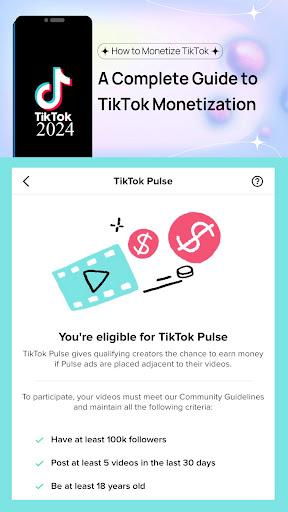
When examining monetization strategies, TikTok offers a relatively fresh approach compared to YouTube’s well-established revenue streams. On TikTok, creators primarily generate income through the TikTok Creator Fund, where users are compensated based on their video views. Additionally, TikTok encourages brand partnerships and sponsored content, enabling creators to collaborate with businesses aiming to tap into their audience. This platform also features gifts and tips, which allow viewers to financially support their favorite creators during live streams, fostering a more personalized interaction between audience and influencer.
In contrast, YouTube operates on a more diversified and comprehensive monetization model. The cornerstone of YouTube’s monetization is AdSense, which allows creators to earn money from ad placements on their videos, making it a viable income source as they build their audience. Other monetization avenues include channel memberships, where subscribers pay a monthly fee for exclusive content, and Super Chats, where viewers can pay to have their messages highlighted during live streams. The following table summarizes the key monetization options on both platforms:
| Platform | Monetization Options |
|---|---|
| TikTok |
|
| YouTube |
|
Engagement Metrics: Assessing Audience Interaction on TikTok and YouTube
When evaluating the effectiveness of TikTok and YouTube, examining audience interaction through engagement metrics is pivotal. TikTok’s algorithm promotes content virality by surfacing videos that generate quick bursts of engagement, allowing creators to achieve substantial views in a short period. The platform thrives on short-form video content, where metrics such as likes, comments, shares, and view duration play a crucial role in determining a video’s reach. This immediate response from viewers reflects a dynamic community eager for entertainment, leading to robust engagement statistics that are essential for assessing monetization potential.
On the other hand, YouTube tends to foster deeper engagement, as its long-form content encourages viewers to spend more time per visit, resulting in higher watch time. Engagement on YouTube can be measured through a combination of likes, comments, subscriptions, and overall audience retention, producing a more comprehensive picture of viewer interaction. While TikTok may excel in fleeting interactions, YouTube’s established community encourages loyalty and sustained viewership, allowing creators to build a more engaged audience over time. Below is a comparison of key engagement metrics on both platforms:
| Engagement Metric | TikTok | YouTube |
|---|---|---|
| Avg. Likes per Video | Higher (due to virality) | Consistent (based on content quality) |
| Avg. Comments per Video | Fast-paced interactions | In-depth discussions |
| Shares | Viral potential | Organic growth |
| View Duration | Short (15-60 seconds) | Longer (up to several hours) |
Content Longevity and Discoverability: The Impact on Revenue Potential
The longevity of content is a critical factor that differentiates TikTok from YouTube in terms of revenue potential. On TikTok, videos often have a lifespan measured in days, driven by trends that can quickly fade. This results in a rapid churn of content, where the emphasis is placed on immediate engagement over long-term retention. Creators may find themselves constantly chasing virality, which can yield short-term gains in views and revenue but lacks sustainability. In contrast, YouTube’s algorithm favors content that resonates over time, meaning that even older videos can continue generating views, ad revenue, and monetization possibilities months or years after publication. As a result, creators on YouTube can build a library of content that perpetually attracts audiences, enhancing their overall revenue streams.
Moreover, discoverability plays a significant role in how content performs on these platforms. TikTok’s algorithm is heavily focused on the “For You” page, where creators can quickly reach vast audiences based on trending sounds and challenges, leading to potentially lucrative sponsorship deals. However, this system can be volatile, as trends shift swiftly, leaving creators reliant on fleeting moments of fame. Conversely, YouTube’s search and recommendation functionalities allow content to be rediscovered over time, empowering creators to tailor their strategies and evolve their channels. This long-tail discoverability means that YouTube creators can cultivate dedicated subscriber bases that lead to consistent revenue generation, through a mix of advertising, sponsorships, and merchandise sales. In essence, the platforms’ differing approaches to content longevity and discoverability have profound implications on how creators can sustain and scale their revenue potential.
| Feature | TikTok | YouTube |
|---|---|---|
| Content Lifespan | Days | Months/Years |
| Virality | High | Moderate |
| Revenue Sources | Sponsored Content | Ads, Sponsorships, Merch |
| Discoverability | Trend-Driven | Search & Recommendations |
Strategic Recommendations for Creators: Maximizing Earnings on TikTok and YouTube
For creators looking to enhance their earnings on both TikTok and YouTube, it is essential to develop a strategic approach tailored to each platform’s strengths and monetization models. On TikTok, emphasis should be placed on building a highly engaged community through authentic content that resonates with viewers. Utilize trending sounds, challenges, and hashtags to increase visibility. Creators can also explore brand partnerships and sponsored content, which often yield higher returns due to TikTok’s dynamic user engagement rates. To maximize earnings, consider the following strategies:
- Engaging regularly with followers: Encourage user interaction through comments and live streams to foster loyalty.
- Leveraging trending content: Create and participate in trends that align with brand partnerships for higher visibility.
- Utilizing TikTok’s Creator Fund: Regularly post high-quality content to qualify for additional earnings.
Conversely, YouTube allows for a more diversified revenue stream, including ad revenue, channel memberships, and merchandise shelf integrations. Here, depth of content can drive consistent viewership, allowing creators to benefit from both long-term viewer retention and monetization through multiple formats. Creators should focus on SEO optimization of video titles and descriptions to make content discoverable. They can also utilize analytics to understand viewer preferences and adapt their strategy accordingly. Key recommendations include:
- Creating longer, engaging videos: Capitalize on YouTube’s monetization per view through longer content.
- Implementing consistent branding: Develop a unique style that makes your channel recognizable and engaging.
- Collaborating with other YouTubers: Expand your audience base and strengthen community connections.
| Platform | Monetization Method | Primary Strength |
|---|---|---|
| TikTok | Brand partnerships, Creator Fund, Live gifts | Short, engaging content with viral potential |
| YouTube | Ad revenue, Super Chats, Memberships | Long-form content with diverse monetization options |
Closing Remarks
the comparative analysis of TikTok and YouTube unveils the distinct monetization potentials inherent in each platform, shaped by their unique user demographics, content styles, and engagement strategies. While TikTok leverages its short-form, viral content to attract audiences rapidly, it presents creators with a more nascent monetization framework characterized by brand partnerships and market engagement through sponsored content. Conversely, YouTube provides a more established and multifaceted monetization ecosystem, offering options ranging from ad revenue to channel memberships and merchandise sales, catering to diverse content creators and their varying needs.
Ultimately, the choice between TikTok and YouTube for prospective creators hinges on personal goals, audience engagement style, and content delivery preferences. As both platforms continue to evolve, understanding their respective strengths and challenges is crucial for creators seeking to maximize their revenue potential. By aligning their content strategies with the unique monetization opportunities offered by each platform, creators can navigate this dynamic digital landscape and capitalize on the growing demand for engaging online content. As the competitive landscape unfolds, it will be essential for creators to stay informed and adaptable, ensuring they harness the full potential of both TikTok and YouTube to drive their success.